🌡️
Product Characteristics
Normal Operating Temperature
+5℃ ~ +35℃
Optimal Operating Temperature
+18℃ ~ +25℃
Temperature Resistance After Curing
-30℃ ~ +80℃
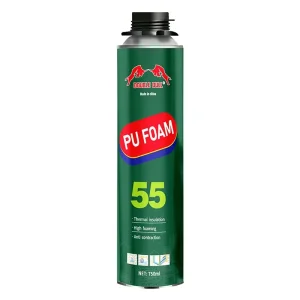
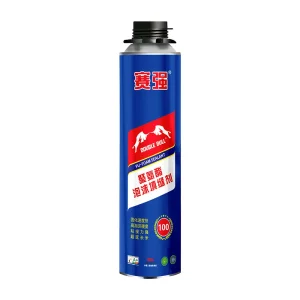
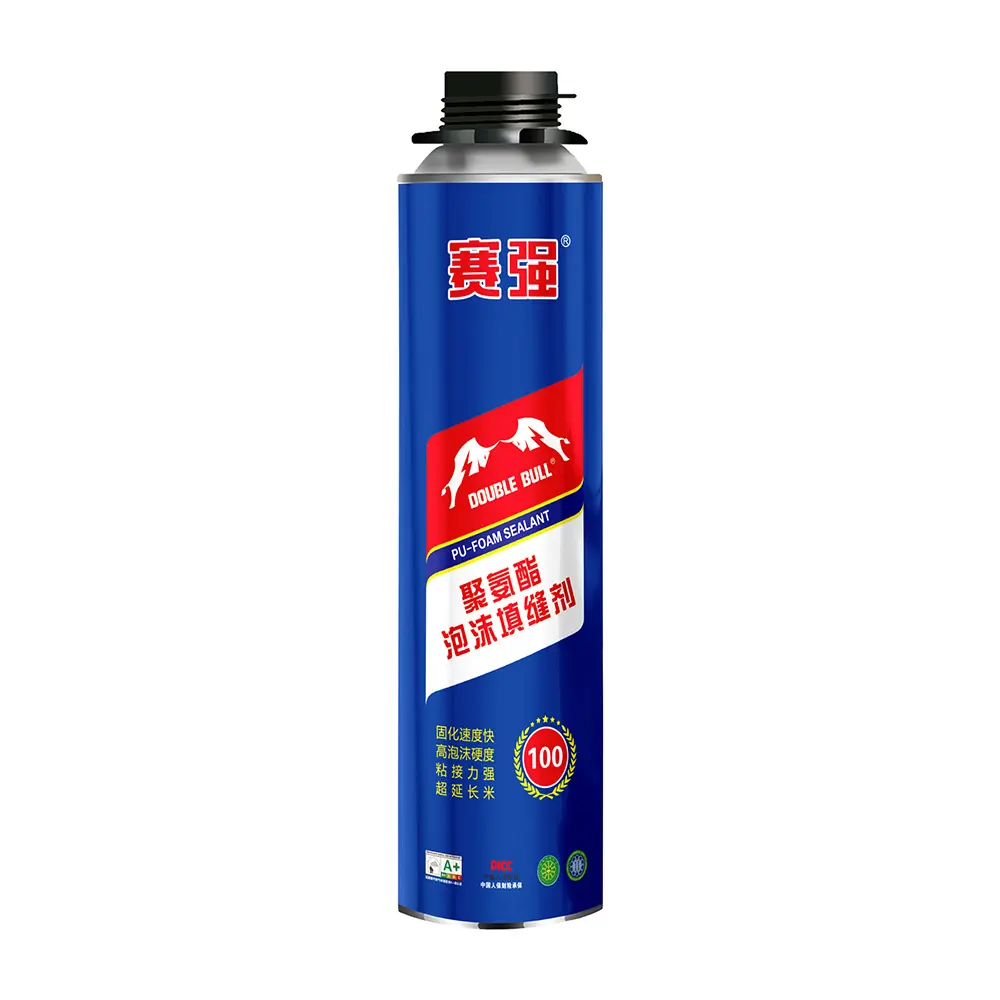
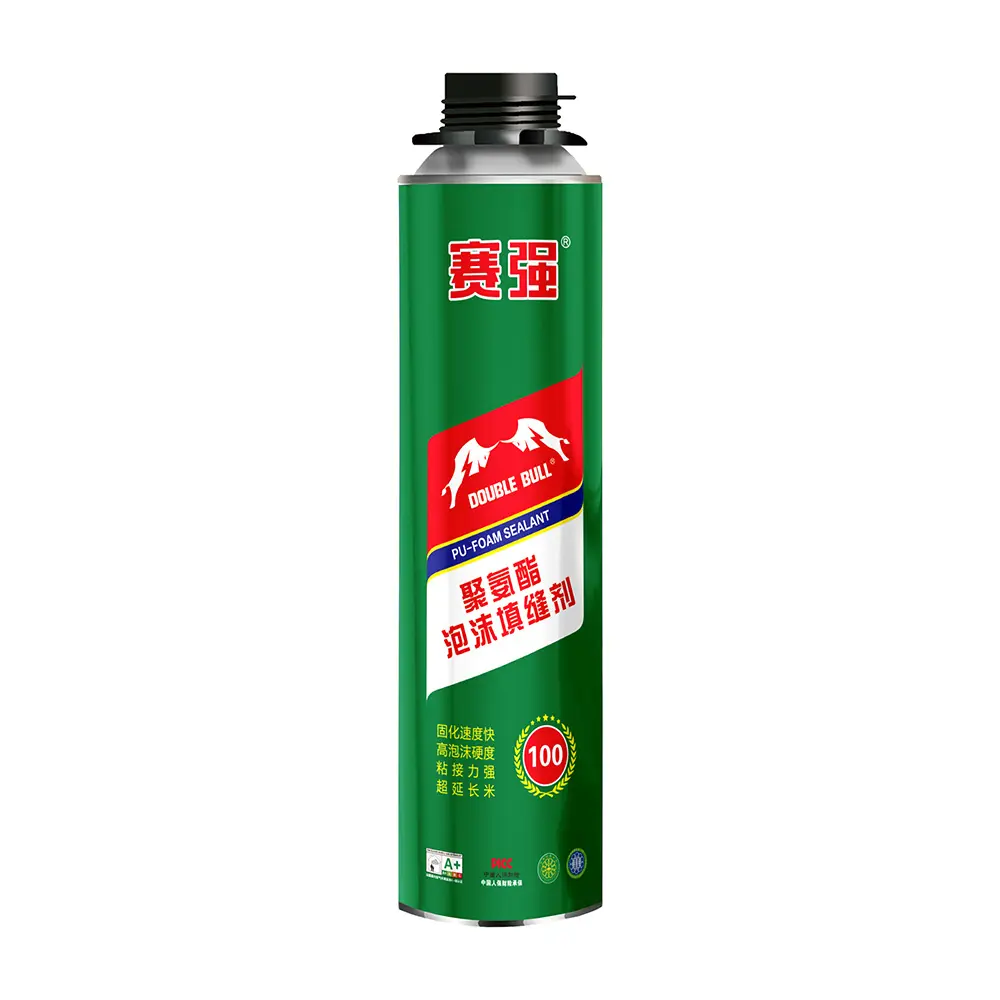
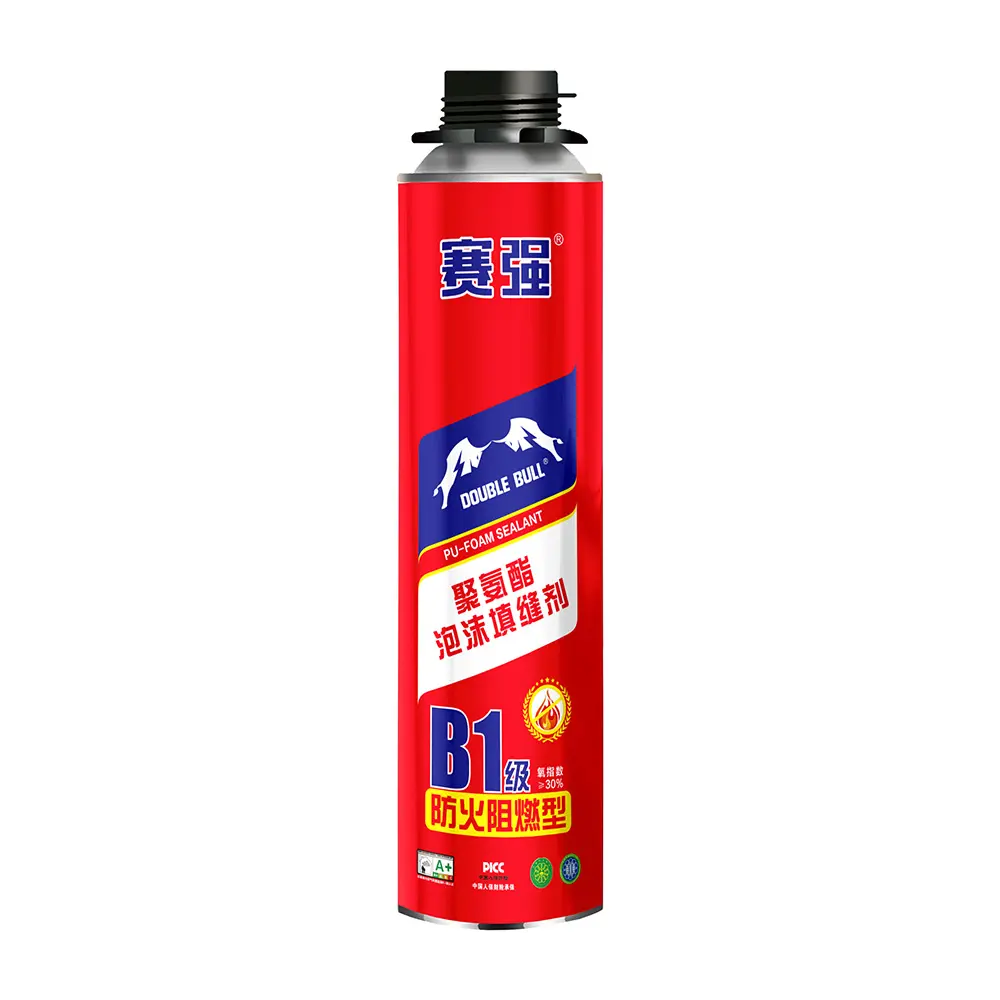
Foam can adhere to concrete, coating, wall, wood and plastic surfaces, but not Teflon and silicone resin. The product does not pose any harm to the human body after solidification.
🏗️
Application Scenarios
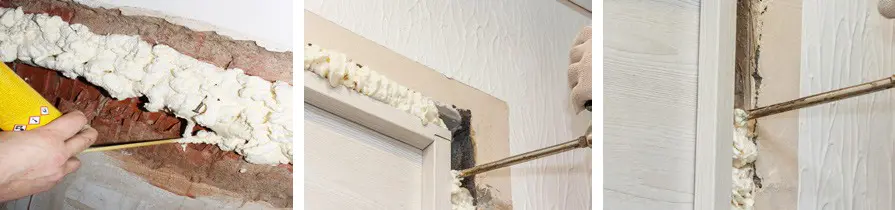
Suitable for fixed bonding, filling, and insulation of various doors, windows, and cabinets; sealing, insulation, and heat preservation of various pipelines; edge sealing of walls, roofs, and enclosure panels; fixing, bonding, filling, and insulation throughout the interior.
❓
Frequently Asked Questions
Q1. What surfaces can the polyurethane foam adhere to?
The foam adheres effectively to concrete, coatings, walls, wood, and most plastic surfaces. However, it does not bond to Teflon or silicone resin.
Q2. What is the ideal temperature for applying this sealant?
For best results, the optimal operating temperature is between +18℃ and +25℃. It can function within a broader range of +5℃ to +35℃.
Q3. How should the product be stored and what is its shelf life?
The product has a 12-month shelf life when stored in a dry, ventilated area at or below 27℃. Keep it away from damp environments and ensure temperatures do not exceed +50℃.
Q4. Is the foam safe once it has fully cured?
Yes, once the foam has completely solidified, it poses no harm to the human body. It remains stable in temperatures ranging from -30℃ to +80℃.
Q5. What safety gear is required during construction?
Users should always wear protective gloves and goggles. Because the product can produce flammable mixtures, ensure the site is well-ventilated and strictly avoid smoking or open flames.
Q6. What should I do if the product contacts my skin?
Immediately wash the affected skin with soap and water. If any irritation persists or you feel unwell, seek medical attention at a hospital immediately.