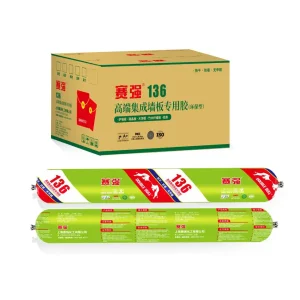
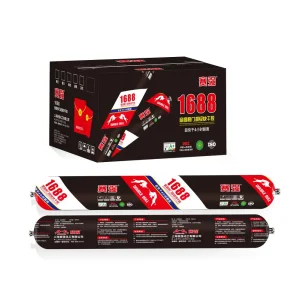
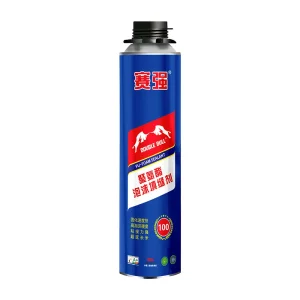
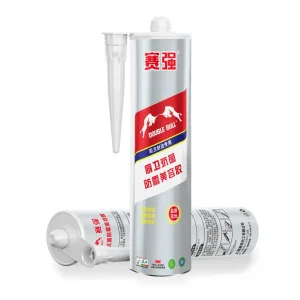
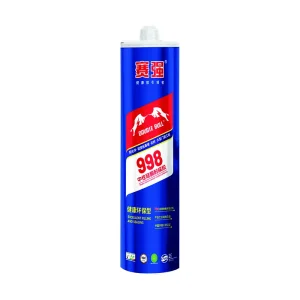
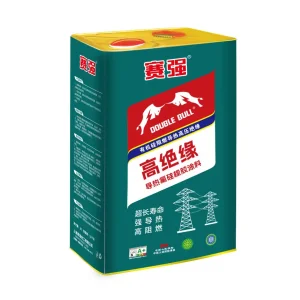
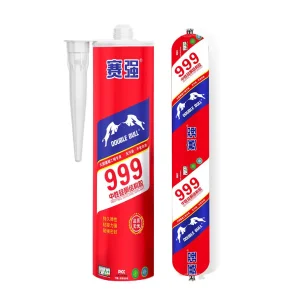
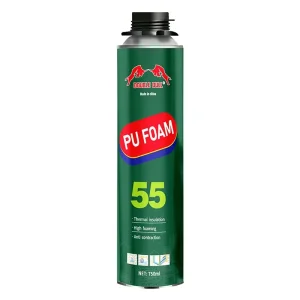
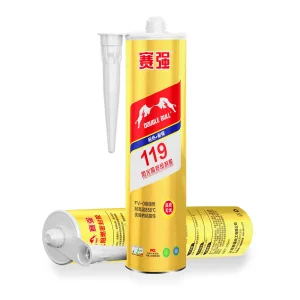
Explore our professional-grade single-component polyurethane expanding foams, weatherproofing neutral silicone sealants, and fireproof barrier solutions optimized for structural integrity.
The global construction and manufacturing sectors are experiencing an unprecedented transition toward enhanced fire safety protocols and sustainable building methodologies. Historically, Polyurethane (PU) expanding foams were used strictly for thermal insulation and joint gap filling. However, modern safety directives demand that these materials act as an active containment barrier in the event of structural fire outbreaks.
Standard polyurethane foams present a rapid flame spread risk and emit highly toxic gases. This has catalyzed the development of advanced Fire Retardant Foams (FR Foams). Designed to exhibit low flammability, high thermal stability, and low smoke emissions, modern fire-retardant foams contain functional additive formulations that undergo endothermic chemical reactions at elevated temperatures, generating a protective carbonaceous char layer. This process severely delays heat transfer and limits oxygen diffusion to the underlying substrate material.
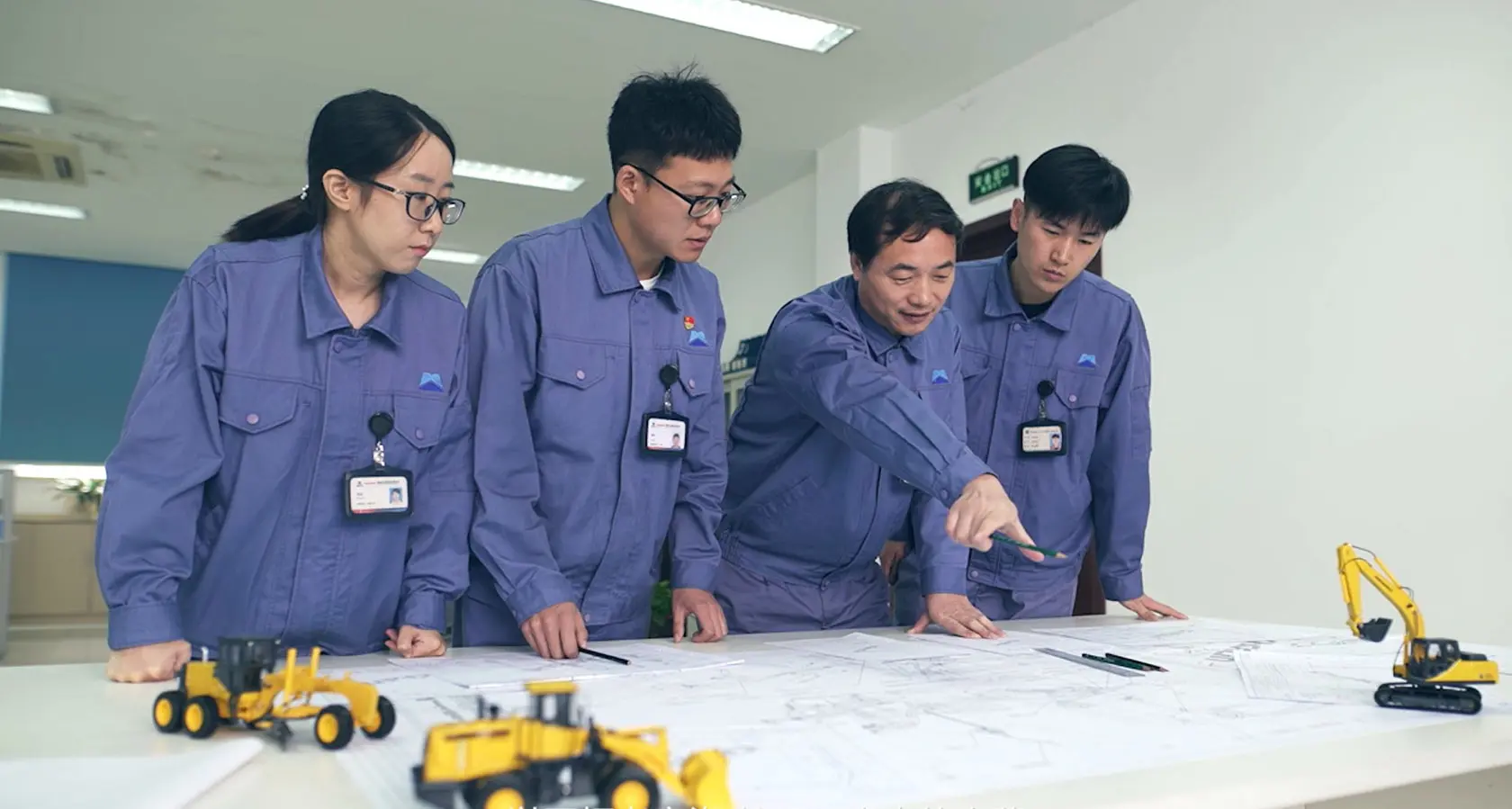
Founded in 2005, Shanghai Saiqiang Chemical Co., Ltd. represents the peak of industrial adhesive and sealant manufacturing in Asia. Based in Junan County, Linyi City, Shandong Province, and supported by a massive 100-acre production hub in Sijing Industrial Park, Songjiang District, Shanghai, we command top-tier industry authority.
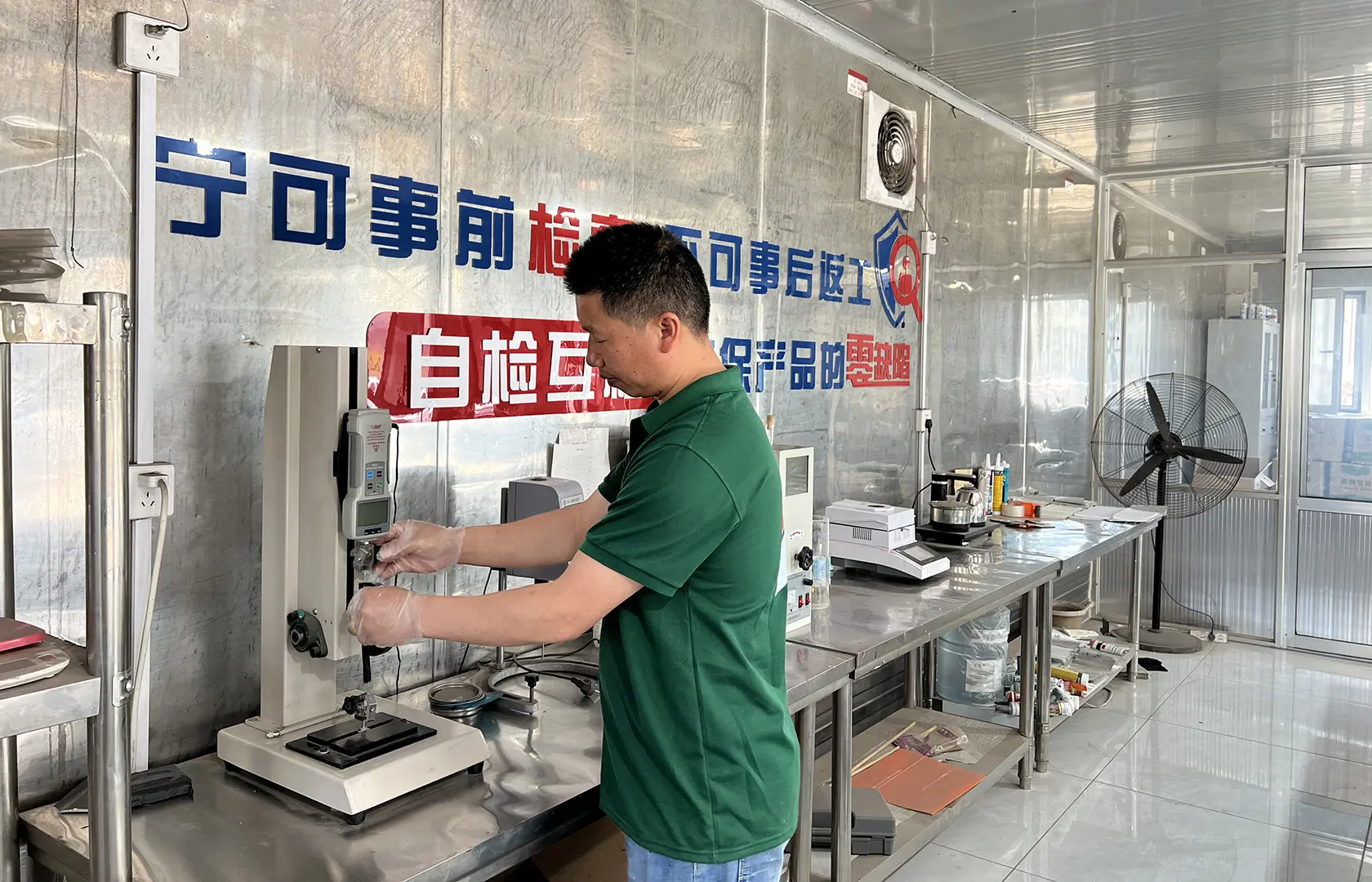
Our ISO 9001:2015 certified system governs the entire manufacturing cycle. Every batch of fire retardant sealant undergoes automated spectrophotometry, viscometer evaluation, and fire tube tests to ensure strict consistency.
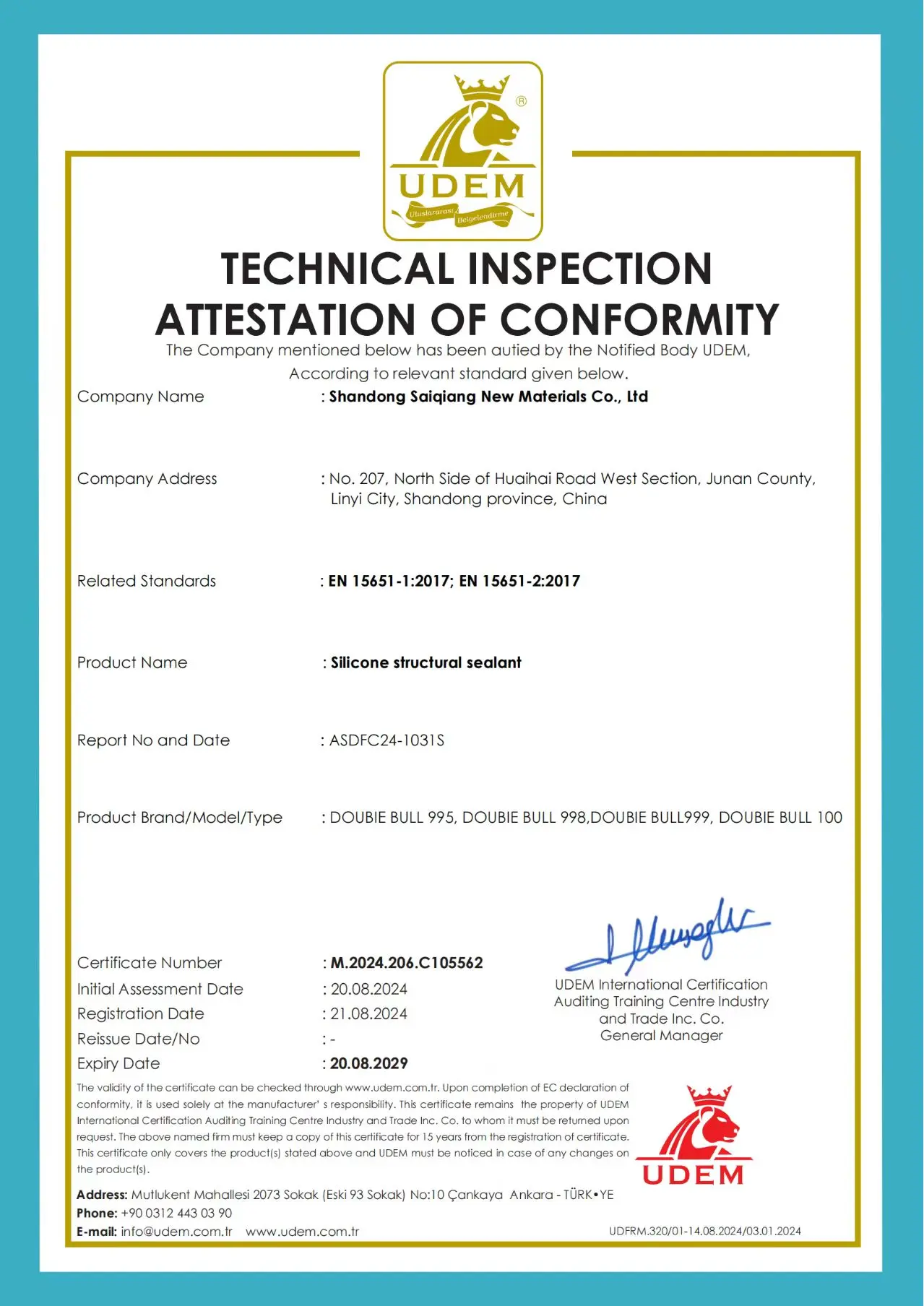
We actively comply with environmental directives. Our formulations hold China's Ten-Ring certification, France's A+ Indoor Air Safety validation, and are designed for minimal VOC emission.
Fully certified to meet complex European and North American customs clearance standards, enabling direct application in commercial high-rises and public infrastructure projects.
Procuring fire retardant sealants and foam systems at volume involves distinct environmental, technical, and logistical variables. As a reliable manufacturing partner, Saiqiang designs comprehensive chemical and mechanical systems to satisfy demands across diverse industries:
High-rise designs utilize curtain walls with perimeter floor gaps that act as potential pathways for smoke and heat. Our single-component B1/B2 polyurethane sealants and structural neutral silicone adhesives form an elastic, high-adhesion joint seal, retaining partition structural integrity for up to 240 minutes.
Heating, ventilation, and air conditioning (HVAC) duct networks can carry flames and toxic gases across fire zones. Saiqiang’s proprietary polyurethane foam solutions deliver superior insulation and smoke blocking, ensuring compliance with strict building mechanical safety codes.
Prefabricated modular building relies on swift assembly and high-durability joints. Our PU foam and nail-free adhesives provide joint tolerance under dynamic loading, maintaining thermal insulation properties and reliable fire barrier ratings.
| Performance Characteristic | Test Standard | Saiqiang PU Foam Grade (FR) | Neutral Silicone Sealant (FR) | |
|---|---|---|---|---|
| Fire Rating (European) | EN 13501-1 | Class B-s1, d0 | Class B-s1, d0 | Class B-s1, d0 |
| Flame Spread Index (FSI) | ASTM E84 | < 25 (Class A) | < 15 (Class A) | |
| Density (Cured) | ASTM D1622 | 20 - 30 kg/m³ | 1.35 - 1.45 g/cm³ | |
| Thermal Conductivity | EN 12667 | 0.032 - 0.036 W/(m·K) | 0.18 - 0.22 W/(m·K) | |
| Skin Formation Time | ASTM C679 | 6 - 10 minutes | 20 - 35 minutes | |
| Service Temperature Limits | - | -40°C to +90°C | -50°C to +150°C |
As standard regulatory policies transition away from halogenated fire retardants (chlorinated and brominated compounds) due to bioaccumulation concerns, Saiqiang is focusing its R&D resources on next-generation chemical solutions:
1. Halogen-Free Intumescent Systems (HFFR): Utilizing synergistic phosphorus-nitrogen organic systems and liquid flame-retardant plasticizers to develop clean-charring foams with low toxic gas generation.
2. Bio-Based Polyols: Synthesizing polyols derived from vegetable oil and castor oil stocks, reducing dependency on fossil raw materials while maintaining mechanical foam compression strength.
3. Advanced Nanoparticle Additives: Incorporating functional nanoclays and graphene platelets to improve mechanical cell-wall integrity during combustion, delaying foam shrinkage.
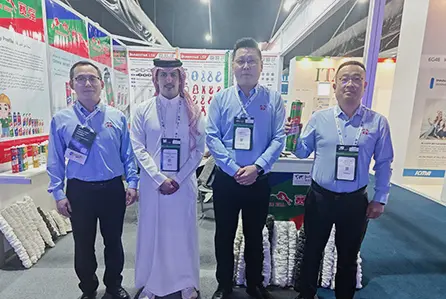
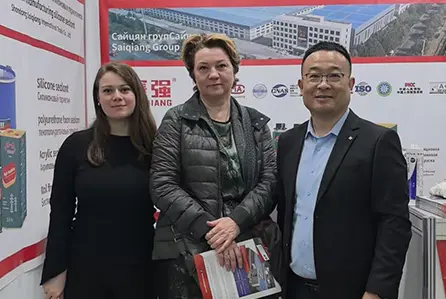
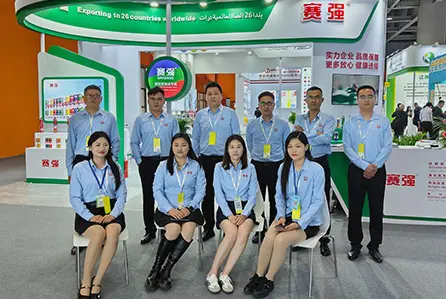
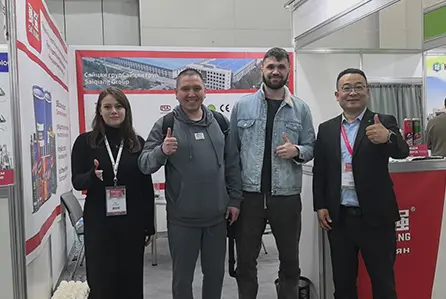
A glimpse into our state-of-the-art production site, verified certifications (CE, China Ecolabel, ISO 9001/14001/45001), and international trade exhibitions.
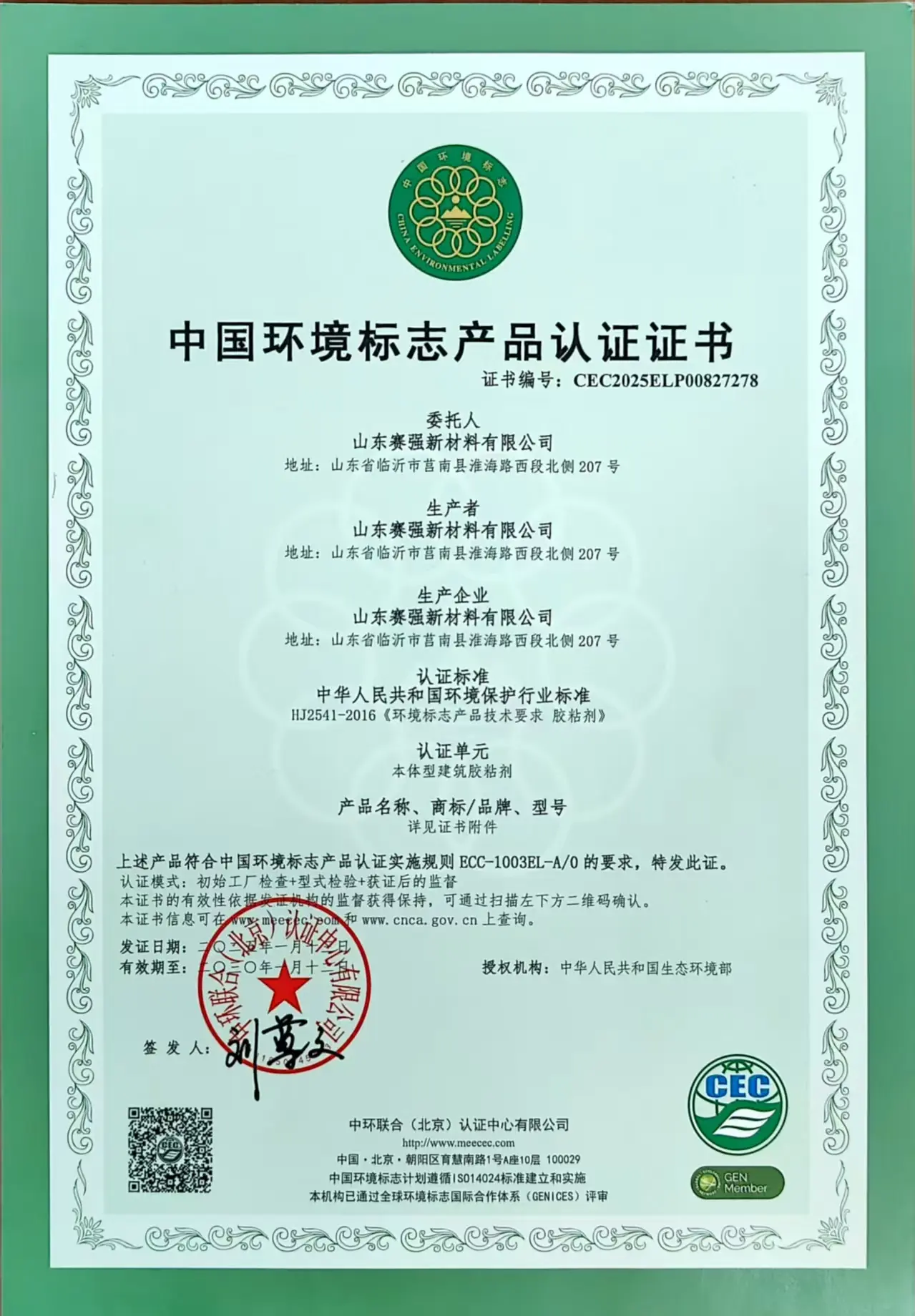
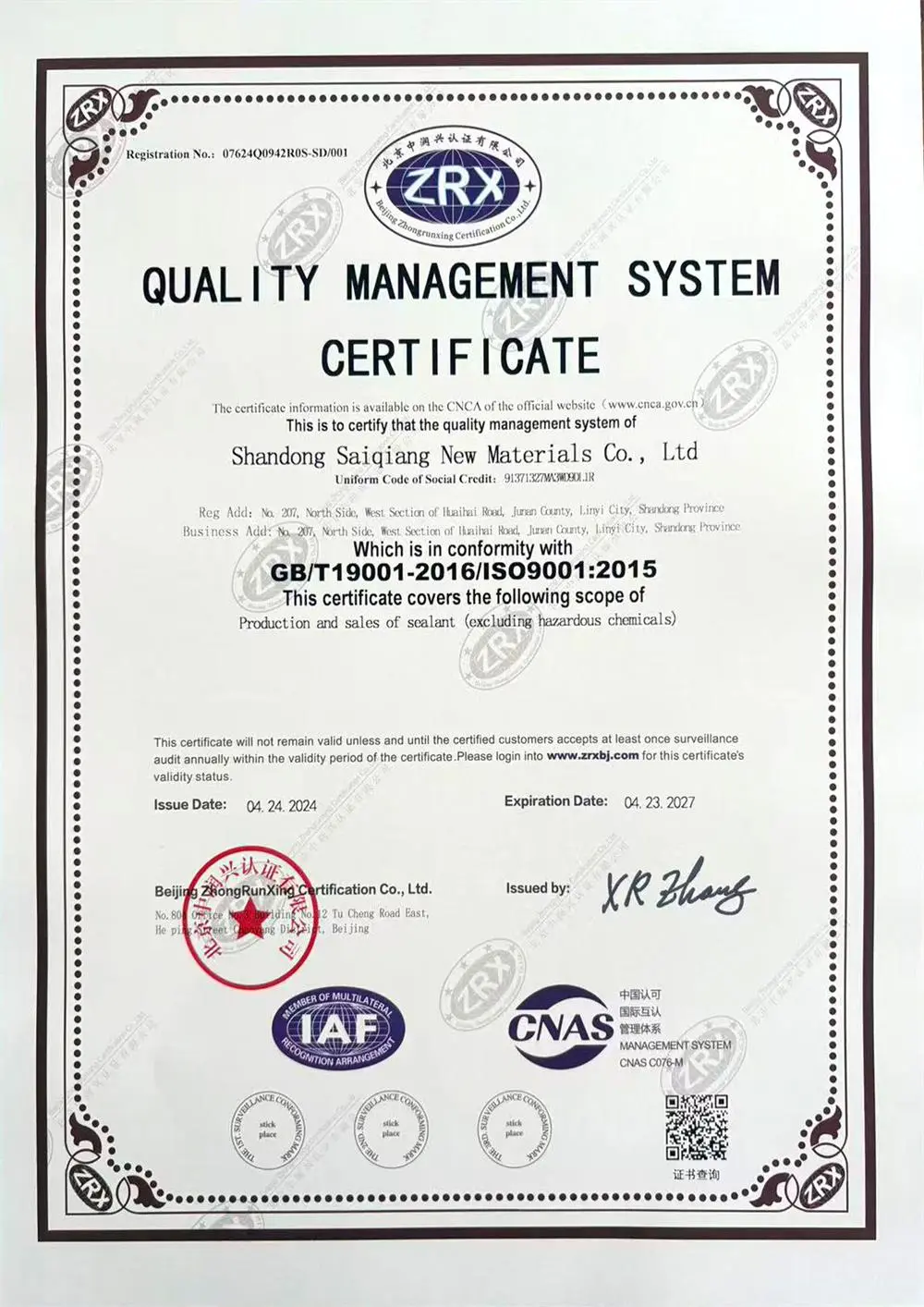
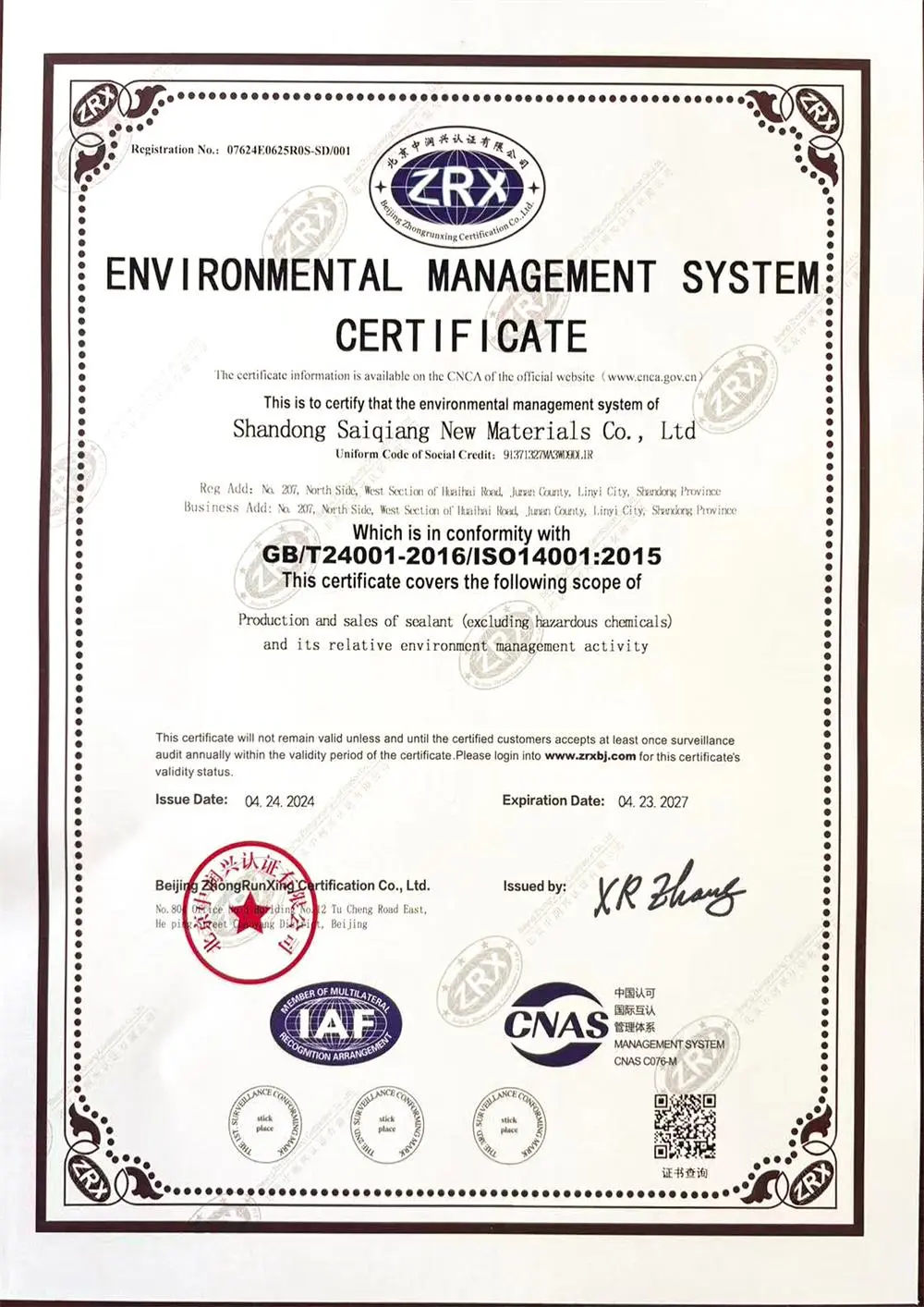
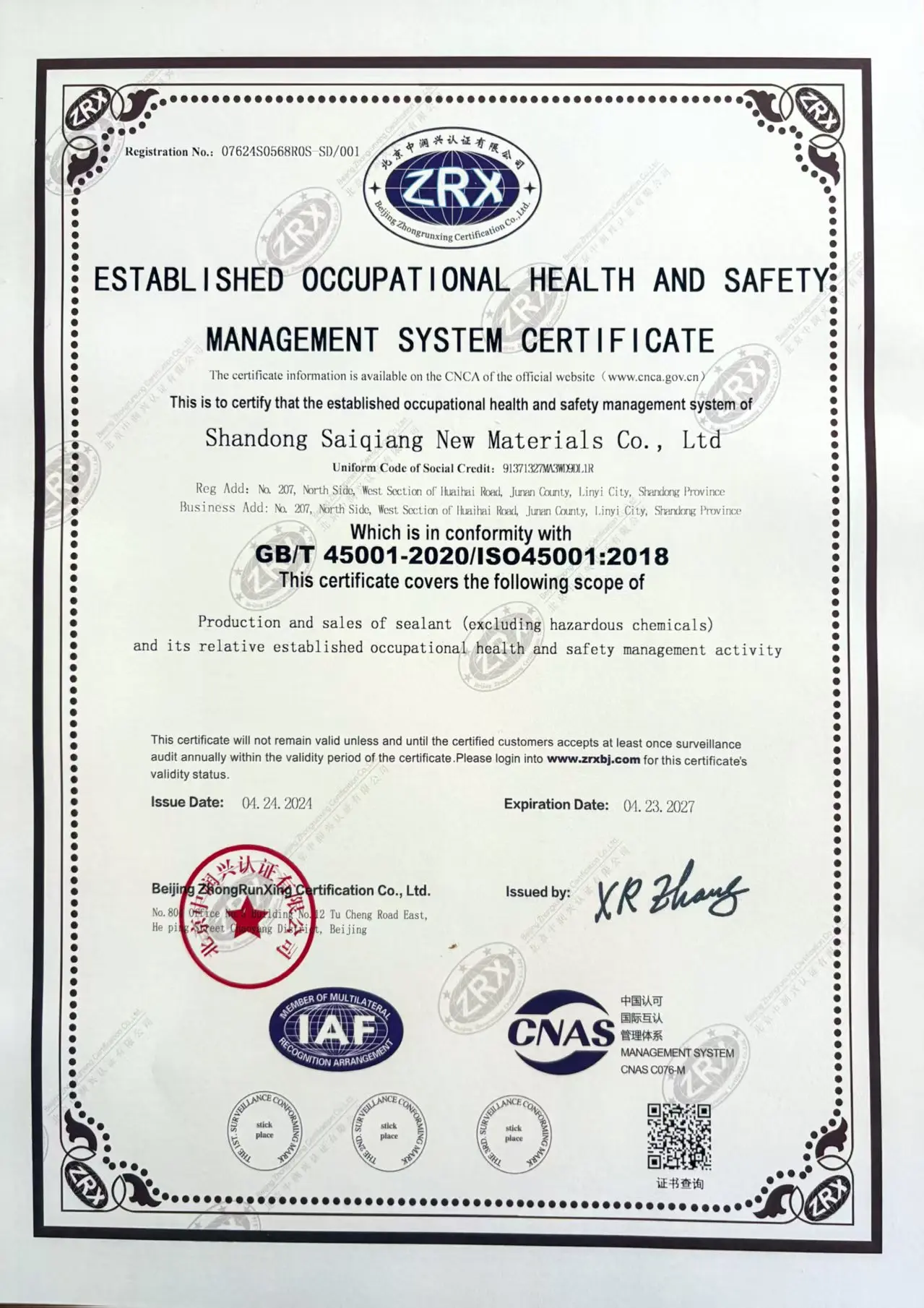
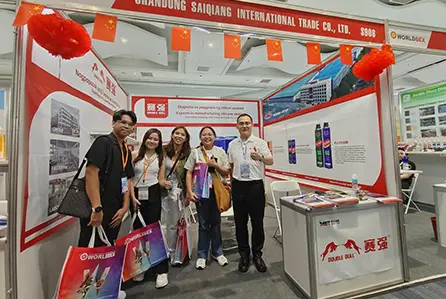


* We offer Free Material Compatibility Testing to ensure no chemical deterioration occurs between selected substrates and adhesive formulations.
Deep-dive technical answers regarding fire safety regulations, product compatibility, and bulk procurement logistics.
DIN 4102-1 standard grades materials based on reaction-to-fire performance. Class B1 denotes materials classified as "not easily flammable" (schwerentflammbar). They contain self-extinguishing additives and generate minimal heat during combustion. Class B2 represents "normal flammability" (normalentflammbar) materials, which can sustain fire propagation under directly applied heat source but have controlled spreading kinetics. Saiqiang manufactures both B1 and B2 variants for customized industrial orders.
Our fire-retardant foams contain halogen-free intumescent agents. When exposed to heat exceeding 180°C, these agents undergo endothermic thermal decomposition. This reaction creates acid release, esterification of structural carbon sources, and foaming of the carbonized surface. The resulting expanded carbonaceous char barrier isolates the fuel source from oxygen and thermal radiation, preserving the joint’s structural stability.
Yes. With 26 automated filling production lines and a dedicated chemical lab, we offer full OEM/ODM customization. This includes altering tack-free times, adjusting curing speeds, modifying expansion volumes, and formulating winter-specific grades suitable for down to -15°C environments. Packaging can be customized into 300ml cartridges, 590ml foil packs, or bulk metal cans.
Yes, all Saiqiang silicone sealants and polyurethane foams comply with EU REACH Regulations (EC No 1907/2006) and RoHS Directives. We regularly screen our chemical compositions to confirm the absence of Substances of Very High Concern (SVHC) and heavy metals, ensuring hassle-free import clearance.
Our single-component polyurethane foams typically have a shelf life of 12 to 15 months from the manufacture date, provided they are stored upright in dry conditions between +5°C and +25°C. Storing them horizontally can cause valve clogging, and temperatures above +50°C risk rupture due to aerosol propellant pressure.
Adhesion performance depends on surface chemical properties. Certain substrates, including powder-coated steel, plastic composites, and natural stone, can experience poor adhesion or discoloration due to plasticizer migration. Saiqiang offers Free Material Compatibility Testing in our laboratory, providing customers with comprehensive engineering reports prior to shipment.
Our single-component PU expanding foams rely on moisture curing. Upon extrusion, the prepolymer reacting mixture undergoes a chemical cross-linking reaction with atmospheric moisture. For optimal expansion and bubble structure, it is recommended to mist the joint gap with water prior to and immediately after foam application.
Heavy-duty structural sealants, polyurethane expanding foams, and architectural joint filling systems designed for global contractors.
 Saiqiang