Top 10 Nail-Free Glue Options for Your Next Project?

Time:2026-06-01 Author:Aria
0%

When it comes to crafting and home improvement, finding the right adhesive can be challenging. Nail-Free Glue offers a versatile solution for various projects. Unlike traditional adhesives, these glues bond surfaces without the need for nails or screws, streamlining the process.

There are many options available. Some are excellent for woodwork, while others excel in bonding fabric or plastic. Choosing the right type is crucial for achieving the desired result. A small mistake in selection can lead to project failure. It often requires trial and error to find the perfect fit.

DIY enthusiasts and professionals alike are discovering the benefits of Nail-Free Glue. Its ease of use and strong bond attracts many users. Yet, it's essential to consider factors like drying time and environmental conditions. An improper setup can lead to disappointment. The journey of mastering Nail-Free Glue is ongoing, filled with learnings and reflections along the way. Embrace this challenge, and you might just enhance your crafting experience.
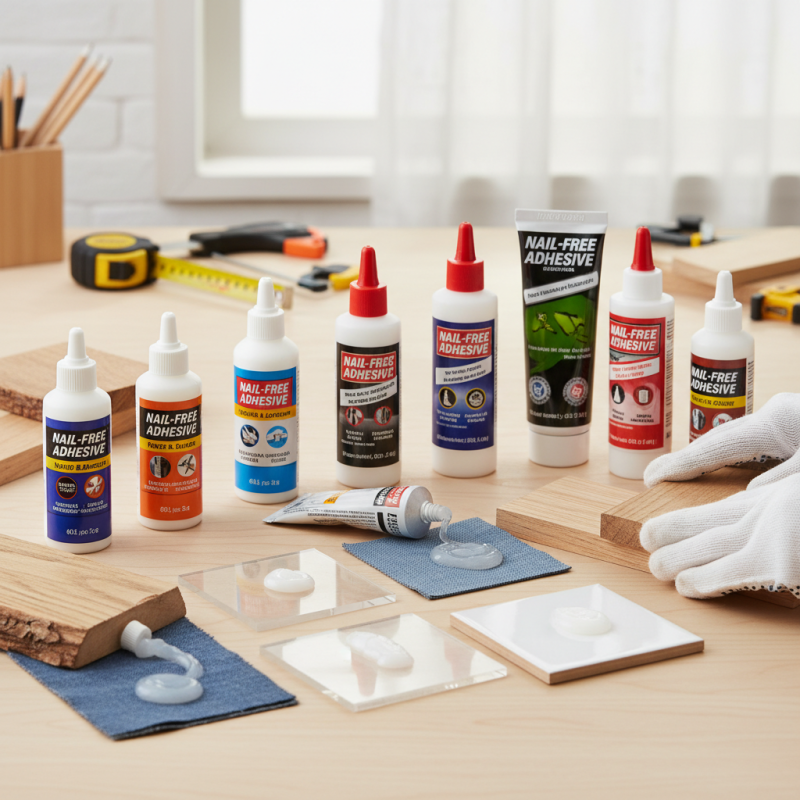
Top 10 Nail-Free Glue Options for Your Next Project?

Exploring Nail-Free Glue: An Overview of Modern Adhesives

Exploring nail-free glue opens a world of modern adhesives that are both versatile and efficient. These adhesives offer strong bonds without the mess and hassle of traditional nails. They can be used for various projects, from woodworking to crafting. The application is often straightforward, allowing users to achieve clean results with minimal effort.

Many nail-free options have unique compositions, catering to different materials. Some work well on porous surfaces, while others excel on plastics or metals. Understanding the specific requirements of your project is crucial. You might find that some adhesives perform better than expected, while others may not bond as strongly. Testing a small area first can save time and frustration.

Moreover, the environmental impact of nail-free glues is worth considering. Some adhesives are designed to be more eco-friendly, reducing harmful emissions. However, not all products labeled “green” live up to their claims. Researching ingredients ensures reliability and safety. Balancing efficiency and sustainability in adhesive choice can be challenging, but it also encourages smarter decisions.

The Benefits of Using Nail-Free Glue for Various Projects

Nail-free glue offers a practical solution for various projects, especially for those who are wary of using traditional methods. This type of adhesive is versatile and can bond different materials together. It is ideal for wood, plastic, and even some metals, making it a favorite among DIY enthusiasts. Users often appreciate how these glues can create strong bonds without the need for visible nails or screws, improving the aesthetic of any project.

One significant benefit of nail-free glue is its ease of application. These adhesives often come in quick-drying formulas, allowing for faster project completion. This can be crucial in time-sensitive situations. On the other hand, some adhesives may take longer to cure, and users must be patient. Temperature and humidity can also affect drying times, which is a factor to consider when planning a project.

Additionally, nail-free options can reduce damage to surfaces. Traditional nailing methods can leave marks or require additional finishing work. However, without nails, surfaces remain smooth and clean when appropriately applied. It’s worth noting that not all projects suit nail-free glue. Some heavy-duty applications may still require traditional fasteners. This is an important consideration when choosing the right adhesive.

Top Criteria for Choosing the Right Nail-Free Glue

When selecting nail-free glue for your projects, consider several key criteria to ensure optimal results. First, evaluate the adhesive's drying time. A fast-setting glue may help complete your project quickly, but you should also ensure that you have enough time to adjust pieces before it hardens. This balance is critical.

Next, consider the materials you will be working with. Different glues bond better with specific surfaces such as wood, metal, or plastic. Test the glue on a small area if you are uncertain. Some adhesives may not provide the desired strength. Research the specific shear and tensile strengths of each option to avoid weak bonds later.

Lastly, look for options that are easy to work with. A user-friendly applicator can help prevent mess and ensure precision. However, messy applications often lead to overuse and waste of the product. Reflect on your skills and try to improve your technique as you learn. Testing a few products will help you find the best fit for your unique needs and enhance your DIY experience.

A Deep Dive into the Top 10 Nail-Free Glue Options Available

When embarking on a DIY project, choosing the right adhesive is crucial. Nail-free glue options offer flexibility, strength, and ease of use. Many people find it challenging to decide among the available options. The variety can be overwhelming, yet each type serves unique purposes. Understanding these options helps prevent frustration.

For wood projects, a specialized wood adhesive ensures strong bonds. These glues penetrate the surface, enhancing durability. For fabric, look for flexible adhesives that do not harden completely. This way, your fabric projects remain soft and movable. Opt for clear drying options for a seamless finish.

Tips for achieving the best results include ensuring surfaces are clean and dry before application. It's essential to apply the right amount, as too much glue can lead to messy projects. Test the glue on a small piece first to check compatibility. Remember, every glue behaves differently. Some may not bond immediately, so patience is vital. Reflecting on past projects can help you refine your choices. Learning from mistakes, like using the wrong glue type, shapes your future decisions.

Tips for Proper Application and Usage of Nail-Free Glue

When using nail-free glue, proper application is crucial for a successful project. Prepare your surface well. Clean it thoroughly to ensure optimal adhesion. Dust or oil can compromise the bond. Use a cloth to wipe down the area. Make sure it's dry before applying the glue. This step may seem simple but is often overlooked.

Another essential tip is to apply the glue evenly. Avoid globs or excessive amounts. A thin layer is often sufficient. Press the surfaces together firmly for a few seconds. You may need to hold them in place. This not only ensures a strong bond but also minimizes the potential for bubbling or separation later on.

Always allow adequate curing time before putting any pressure on the glued area. Rushing this step can lead to failure. Don't be discouraged if your first attempt isn't perfect. Experiment with different amounts and techniques. Learning what works best for your specific projects takes time and practice.

Top 10 Nail-Free Glue Options for Your Next Project

This bar chart displays the effectiveness ratings of various nail-free glue options based on user feedback. The data reflects how well each glue performs in different applications.

FAQS

: What are the benefits of nail-free glue?

: Nail-free glue bonds various materials without visible fasteners. It enhances the aesthetics of projects.

How easy is it to apply nail-free glue?

Nail-free glue comes in quick-drying formulas. This speeds up project completion, saving time.

Can nail-free glue damage surfaces?

No, it reduces damage. Without nails, surfaces remain smooth and clean if applied correctly.

Are there projects that do not suit nail-free glue?

Yes, heavy-duty applications may still need traditional fasteners. Consider the specific requirements of your project.

How should I prepare surfaces before using glue?

Surfaces should be clean and dry before application. This helps achieve a strong bond.

What happens if I use too much glue?

Using too much glue can create messy projects. Apply the right amount for best results.

How can I test glue compatibility?

Test the glue on a small piece first. This helps check if it bonds without issues.

Why is patience important with some glues?

Some adhesives do not bond immediately. Allow adequate time for drying and curing.

What should I reflect on regarding past projects?

Consider mistakes made, like wrong glue choices. Learning from these can improve future decisions.

What is a good practice for fabric projects?

Use flexible adhesives that stay soft. This keeps fabric projects movable and comfortable.

Conclusion

Nail-Free Glue has become an essential choice for a variety of crafting and construction projects, offering an alternative to traditional fastening methods. This overview discusses the benefits of using nail-free adhesives, which include cleaner application, reduced risk of damaging materials, and enhanced versatility. When selecting the right nail-free glue, it's crucial to consider factors such as bonding strength, drying time, and material compatibility.

The article delves into the top 10 nail-free glue options currently available in the market, providing insights into their unique features and applications. Additionally, practical tips for proper application and usage are offered to ensure optimal results. With the benefits of nail-free glue and the right selection process, DIY enthusiasts and professionals alike can confidently tackle projects without the need for nails.


Aria

Aria

Aria is a dedicated marketing professional with a deep passion for innovative strategies and a keen understanding of our company's product offerings. With a wealth of experience in the industry, Aria excels at crafting engaging content that highlights the unique features and benefits of our......