Choosing the right polyurethane foam can significantly impact your project's success. Polyurethane foam is versatile and widely used in various applications. Whether you need it for furniture, insulation, or soundproofing, understanding its features is crucial.
Different types of polyurethane foam offer unique properties. For example, memory foam provides excellent comfort but may not be suitable for high-load applications. Meanwhile, rigid foam offers superior insulation but is less forgiving for seating. Evaluating these factors helps in making informed choices.
It’s also important to consider density and durability. Higher-density foams tend to be more resilient but may be costlier. Always reflect on your specific needs. Sometimes, the best option may not be the most popular one. Doing thorough research will ensure that you select the ideal polyurethane foam for your requirements.
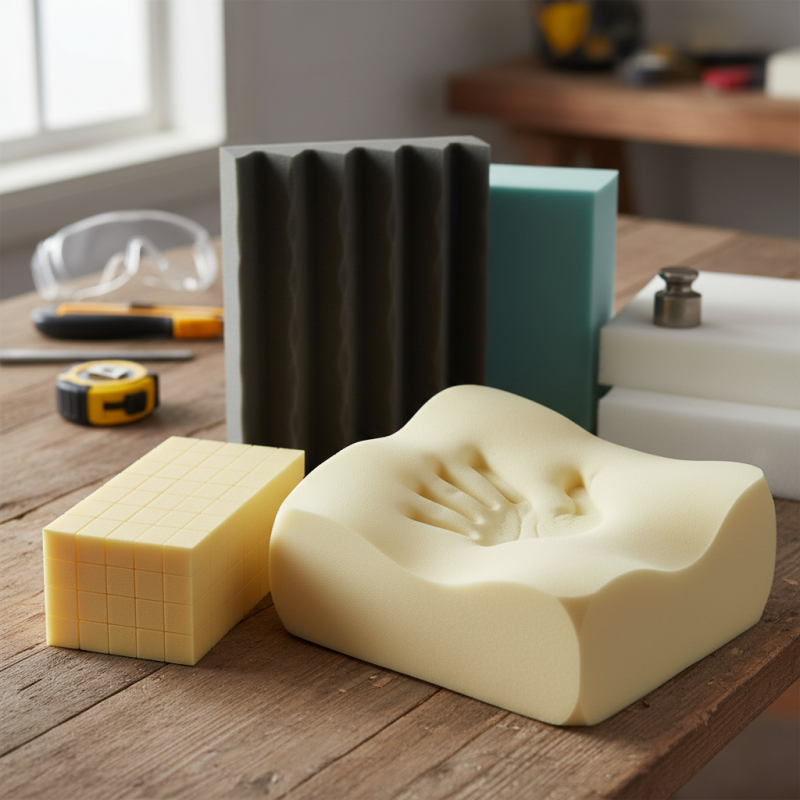
Polyurethane foam comes in various types, each with unique properties. Understanding these types is crucial for making an informed choice. There are rigid foams, commonly used in insulation. These foams offer excellent thermal resistance and can reduce energy costs.
Soft foams are often found in mattresses and cushions. They provide comfort and support, adjusting to body contours. However, they may wear out faster than rigid options. It’s important to consider your usage when selecting foam.
Some specialty foams resist moisture or provide fire safety. These features can be essential for specific applications. The decision should align with your needs and environment. Balancing comfort, durability, and characteristics can be tricky but is worth the effort. Taking the time to think through these details pays off in the long run.
Selecting the right polyurethane foam involves several critical factors. Density is one of the most important. Higher density foam provides better durability and support. Meanwhile, low-density options might be softer but wear out quickly. Understanding your intended use can guide your choice here.
The firmness or softness of the foam is another aspect to consider. Your comfort needs may vary based on the application, whether it's for mattresses or cushions. Testing different firmness levels can make a significant difference in your satisfaction.
Additionally, the environmental impact of the foam matters. Many foams are now produced with eco-friendly processes. However, not all foams are created equal in terms of sustainability. It’s wise to read about the manufacturing processes. This ensures you make a responsible choice aligned with your values.
This chart illustrates the importance of various factors when selecting polyurethane foam, based on user preferences and applications.
Polyurethane foam has a wide range of applications across various industries. In furniture, it is commonly used for cushioning in chairs and sofas. According to a market report by Research and Markets, the global polyurethane foam market is expected to reach USD 50 billion by 2026. This growth is driven by increasing demand for comfortable and durable furnishings. The foam provides excellent support and enhances the overall aesthetic of living spaces.
In the automotive sector, polyurethane foam is crucial for insulation and soundproofing. It reduces noise levels inside vehicles, creating a more pleasant ride for passengers. The foam also adds to the overall safety and comfort of car interiors. A report from MarketsandMarkets indicates that the automotive segment alone accounts for nearly 20% of the total polyurethane foam market. However, manufacturers must consider the environmental impact, as not all polyurethane foams are eco-friendly.
While the benefits are clear, some issues need to be addressed. Not all polyurethane foams are created equal. Users should be aware of varying quality standards. There can be a trade-off between comfort and durability, which might not always meet individual needs. Understanding specific applications can help in making an informed choice, ensuring the foam selected aligns with expectations while considering long-term usability.
When selecting polyurethane foam, understanding its durability and resilience is crucial. Durability refers to how well the foam can withstand wear over time. A higher density foam typically offers better durability. Resilience, on the other hand, is about the foam's ability to return to its original shape after compression. This is essential for items like mattresses, where comfort is key.
Different types of polyurethane foam cater to various needs. High-resilience foam is ideal for furniture and mattresses, providing support and longevity. However, it may feel firmer than some users prefer. Low-density foam is lighter and often cheaper, but it may wear out quickly. These trade-offs are vital for consumers to consider.
Choosing the right foam requires personal reflection and assessment. Think about your use case. What level of durability is acceptable? How much resilience do you need? It’s a balancing act. Sometimes, combining different types of foam can lead to the best outcome. Experimentation can also reflect personal preferences, revealing that what works for one may not work for another.
When budgeting for polyurethane foam, considerations vary widely. Start by evaluating your specific needs. Different applications, from insulation to cushioning, require distinct foam types. Prices can fluctuate based on density, thickness, and intended use. Understand what you truly need before investing.
Expect to see some differences in quality at different price points. Cheaper options might save money initially but could lack durability. This can lead to additional costs over time. A thorough analysis of your project requirements will prevent overspending on unnecessary features or low-grade options.
Consider the long-term implications of your foam choice. Investing in higher-quality foam may seem costly now, but it can save you from replacements later. Prioritize suppliers who provide clear information about their products. Seek warranties, even if they come at a slightly higher price. The right foam choice is a balance between cost and performance, sometimes requiring tough decisions.
| Foam Type | Density (lbs/ft3) | Firmness (ILD) | Cost per Cubic Foot | Typical Uses |
|---|---|---|---|---|
| High Resilience Foam | 1.8 | 30-35 | $3.50 | Furniture, Mattresses |
| Memory Foam | 4.0 | 20-25 | $4.50 | Mattresses, Pillows |
| Open Cell Foam | 2.2 | 25-30 | $2.50 | Acoustic Panels, Insulation |
| Closed Cell Foam | 3.0 | 35-40 | $5.00 | Marine, Outdoor Equipment |
| Viscoelastic Foam | 3.5 | 20-30 | $4.00 | Medical Beds, Seating |
: It's commonly used for cushioning in chairs and sofas, providing comfort and support.
It helps with insulation and soundproofing, enhancing ride comfort and safety in vehicles.
Increasing demand for comfortable, durable furnishings drives market growth, expected to reach USD 50 billion by 2026.
No, not all foams are environmentally safe. Manufacturers need to consider their ecological impact.
Durability determines how well foam withstands wear over time, with high-density foam generally being more durable.
Resilience refers to the foam's ability to return to its original shape after being compressed.
Different foams cater to diverse needs; personal preferences may vary significantly among users.
Comfort may come with less durability; users must balance their specific needs and expectations.
Yes, combining can lead to better outcomes, especially if you have varied comfort needs.
Assessing durability and resilience requirements is essential for making an informed choice that meets long-term usability.
When choosing the best polyurethane foam for your needs, it's essential to understand the various types and their properties. Polyurethane foam comes in different forms, each suited for specific applications, from cushioning and insulation to automotive uses. Factors to consider include density, firmness, and intended use, which can significantly affect the performance and longevity of the foam.
Additionally, comparing the durability and resilience of different polyurethane foams is crucial, as these attributes will impact how well the foam performs over time. Cost considerations also play a vital role in the selection process, making it important to establish a budget that aligns with the required specifications and intended applications. Overall, a thoughtful approach to selecting polyurethane foam will ensure optimal results for your projects.
Saiqiang