As we approach 2026, the search for the best silicone sealant continues to evolve. Experts emphasize the importance of choosing the right product for specific needs. John Doe, a renowned expert in the adhesive industry, states, "The right silicone sealant can make or break a project." His insight highlights the significance of selecting quality materials.
Silicone sealants offer remarkable flexibility and durability. These features are essential in various applications, from home repairs to industrial uses. A good sealant prevents moisture intrusion and enhances the longevity of structures. However, the market is flooded with choices. Many users often find themselves overwhelmed. Selecting the wrong type can lead to ineffective bonding or expensive repairs.
In 2026, consumers must consider factors like curing time, adhesion properties, and temperature resistance. It's vital to understand that not all silicone sealants are created equal. Each project may require a tailored solution. Reflecting on past experiences can help identify what works best. Ultimately, making informed decisions is crucial in this ever-evolving industry.
Understanding the Basics of Silicone Sealant: Definitions and Types
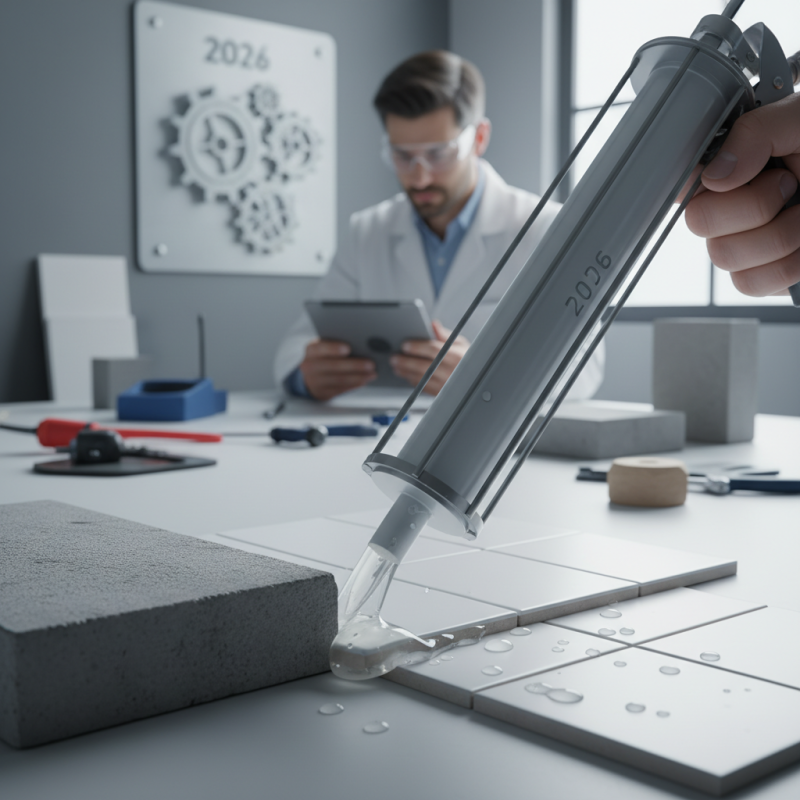
Silicone sealants are essential in various applications, from construction to automotive. These sealants form a durable bond. Understanding the types and definitions is crucial. They are primarily classified into acetoxy, neutral, and erythema free. Each type has unique properties and applications.
Acetoxy silicone sealants release acetic acid during curing. They offer excellent adhesion and resilience but are not suitable for certain materials. Neutral silicone sealants, on the other hand, do not release harmful substances. Their versatility makes them ideal for sensitive applications. According to industry reports, the global silicone sealant market is projected to reach $8.9 billion by 2026, indicating substantial growth.
Engineers often recommend testing sealants before full application. This helps ensure compatibility with surfaces. A survey highlighted that 35% of users faced issues with inadequate adhesion or curing times. It emphasizes the need for thorough knowledge and cautious selection. The variety can confuse users; picking the right sealant requires careful consideration, not a one-size-fits-all approach.
Key Features to Consider When Choosing Silicone Sealant
When selecting silicone sealant, several key features can guide your decision. First, consider the purpose of the sealant. Different applications require different properties. For example, bathroom sealants must resist mold and mildew. Kitchen sealants, on the other hand, should handle heat and humidity effectively. Knowing your specific needs helps narrow your options.
Next, pay attention to curing time. Some sealants dry quickly, while others take longer to set. If you are working on a project with tight deadlines, a fast-curing product might be preferable. However, a slower-curing sealant may offer better adhesion and durability.
Another important factor is the flexibility of the sealant. High flexibility can absorb movement and stress, preventing cracks over time. This is particularly vital for exterior applications where temperature fluctuations occur. Don’t overlook color options and finishes either. Aesthetic considerations can impact your project's overall appearance.
Top Silicone Sealant Brands and Their Unique Offerings in 2026
When choosing a silicone sealant, the options can feel overwhelming. Different brands each offer unique formulations tailored for specific needs. One option may excel in flexibility, making it ideal for movement-prone areas. Another might focus on waterproof features, perfect for bathrooms and kitchens. Understanding these qualities helps users make informed decisions.
Not all silicone sealants perform equally in various environments. Some work well in extreme temperatures, while others do not. Users need to think about where they will apply the product. An outdoor application requires weather resistance. Some offerings boast impressive adhesion, yet can be challenging to remove.
It's essential to review user experiences before making a choice. Feedback often reveals insight into long-term durability and ease of application. Explore different brands and assess their unique offerings critically. This reflection can refine your selections. Ultimately, ensuring that you find the best silicone sealant requires careful consideration and a willingness to learn from past choices.
Best Silicone Sealant Performance Comparison in 2026
Application Techniques for Optimal Use of Silicone Sealant
When using silicone sealant, proper application techniques are crucial. Begin by selecting the correct type of silicone for your project. This ensures the seal is effective and durable. Clean the surfaces thoroughly. Remove old sealant, dust, and grease. This helps the silicone adhere better, preventing future leaks.
Cut the nozzle at a 45-degree angle for precision. Apply steady pressure on the caulking gun. A consistent flow creates an even bead. Move at a comfortable pace to avoid gaps or overlaps. Too fast may lead to uneven application; too slow can create messy results.
After applying, smooth the bead with a wet finger or tool. This creates a stronger bond and enhances appearance. If air bubbles appear, they can weaken the seal. Don’t rush this step; patience is key. Evaluating your technique can improve future results.
Reflect on any mistakes you made during the process. Each application is a chance to learn and refine your skills.
Comparative Analysis: Silicone Sealant vs. Other Sealants in 2026
When considering silicone sealants in 2026, it's essential to compare them with other options. A recent industry report highlighted that silicone sealants represent around 40% of the sealant market. Their versatility is notable, especially in construction and automotive applications. This widespread use is due to their excellent adhesion and flexibility.
However, traditional sealants, like polyurethane, have strengths too. They provide stronger bonding in certain structural applications, especially where movement is limited. Statistics show that while polyurethane seals can last longer under extreme conditions, they might require longer curing times. Silicone sealants, often easier to apply, dry quickly, making them favorable for quick jobs.
Despite these advantages, challenges exist with silicone sealants. Issues like difficulty in painting over silicone can arise. Moreover, some users report that silicone is less resistant to certain chemicals compared to other sealants. Therefore, evaluating specific needs is crucial. Data from construction studies suggest that over 30% of professionals switch sealants based on project demands.
FAQS
: Consider the sealant's purpose. Different applications require various properties.
Curing time matters. Quick-drying sealants are good for tight deadlines, while slower ones may be more durable.
Flexibility allows the sealant to absorb movement. This prevents cracks over time, especially in outdoor applications.
Clean surfaces thoroughly before applying sealant. This helps improve adhesion and seal quality.
Cut the nozzle at a 45-degree angle. Apply steady pressure for an even bead. Avoid going too fast or too slow.
Smoothing the bead creates a stronger bond and improves appearance. It also helps eliminate air bubbles.
Challenges include difficulty in painting over silicone. Some users find silicone less resistant to certain chemicals.
Silicone sealants offer excellent adhesion and flexibility. Polyurethane seals may provide stronger bonding in specific conditions.
Rushing application can lead to gaps or messy results. Reflecting on errors can help improve future applications.
Over 30% of professionals switch sealants based on project needs. Evaluate your requirements before choosing a sealant.
Conclusion
In 2026, understanding the various types of Silicone Sealant is essential for making informed choices for your sealing needs. Silicone sealants are widely recognized for their flexibility, longevity, and resistance to moisture and temperature fluctuations. When selecting the right silicone sealant, key features such as adhesion properties, cure time, and resistance to mold should be considered to ensure optimal performance.
Application techniques play a crucial role in achieving the desired results, and mastering these can significantly enhance the effectiveness of silicone sealants. Furthermore, a comparative analysis reveals that while silicone sealant excels in many areas, it may not always be the best choice compared to other sealants available in the market. By being aware of these dynamics, users can confidently select and apply silicone sealant tailored to their specific project requirements in 2026.

 Saiqiang