Choosing a high-temperature sealant is not a simple matter of reading the highest temperature on a label. Global buyers must examine cure chemistry, substrate adhesion, thermal cycling, chemical exposure, and application conditions. High Temp Silicone may survive a short 300°C spike, yet fail after months of vibration, oil contact, or repeated heating and cooling.
Dr. Laura S. Havel, a polymer-sealing consultant, offers a practical reminder: “Temperature resistance matters only when the complete sealing system remains reliable.” That principle guides this selection. Each product should be judged against real service details, including aluminum housings, stainless-steel flanges, glass panels, exhaust joints, ovens, boilers, and industrial machinery. Surface preparation is often less impressive than the cartridge specification. It is also where many failures begin.
This guide compares ten High Temp Silicone sealants for buyers sourcing across different regions. We consider stated service temperatures, adhesion, flexibility, curing behavior, packaging, technical documentation, and supplier transparency. Products with clear test data deserve more confidence than products using vague phrases such as “extreme heat protection.”
Some decisions remain imperfect. Manufacturers may test under different methods, and published figures may not match field conditions. A sealant rated for continuous heat can still fail beside a sharp metal edge. A fast cure may help production, but it may reduce working time. Buyers should confirm compatibility before large orders, especially when sealing painted surfaces, plastics, or porous materials. The best choice is rarely the product with the biggest number. It is the sealant that fits the temperature, movement, chemicals, surface, and maintenance reality.
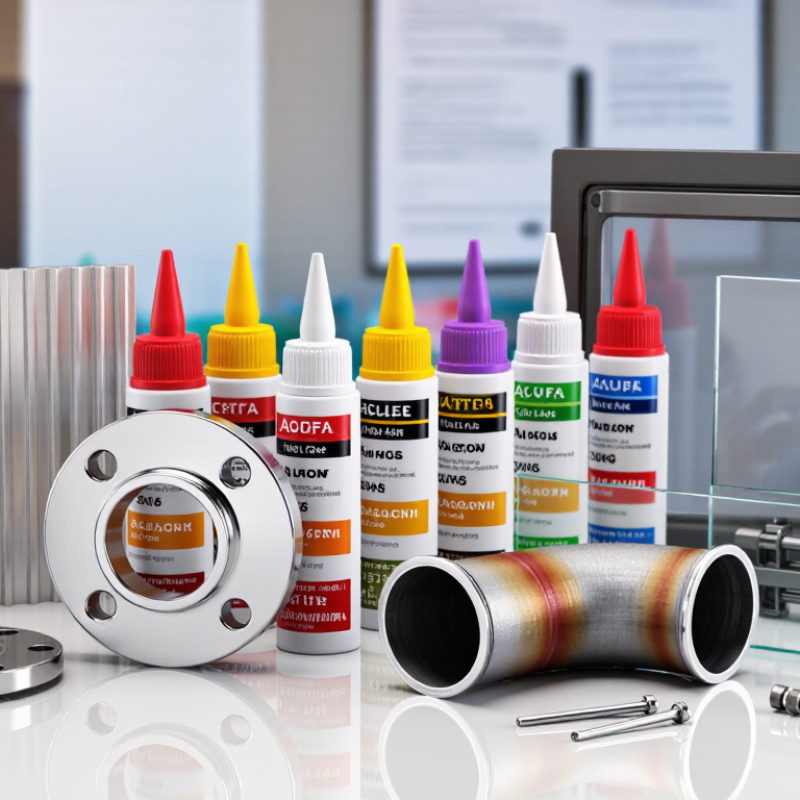
A high-temperature silicone sealant is defined by more than a large number on its label. It must remain bonded, flexible, and chemically stable under repeated heating and cooling. Continuous temperature resistance matters more than a brief peak rating. A sealant rated for 300°C intermittently may perform poorly beside a furnace operating at 220°C every day.
Its formulation usually combines heat-resistant silicone polymers with suitable fillers and curing agents. The cured bead should resist cracking, shrinkage, and hardening when exposed to hot air, moisture, oils, or mild chemicals. Adhesion also matters. Stainless steel, ceramic, glass, and painted metal each create different bonding challenges. Clean surfaces, correct joint width, and adequate curing time strongly affect results.
Temperature cycling is the real test. Hot today. Cool tomorrow. Field evaluations often inspect the joint after hundreds of cycles, not just after laboratory heating. Buyers should check continuous and intermittent ratings, cure conditions, elongation, hardness, and documented test methods. A technical data sheet is useful, but it is not a guarantee for every installation. I have seen excellent sealants fail because the joint moved beyond its design range. That detail is easy to miss. In some applications, a slightly lower-rated product with stronger adhesion may outperform a higher-rated one. Trial testing remains sensible, especially where vibration, pressure, or outdoor exposure is involved.
Choosing a high-temperature silicone sealant requires more than reading its maximum temperature rating. Global buyers should examine continuous and intermittent service limits separately. A sealant rated for 300°C may perform poorly under constant vibration or repeated heating cycles. Check the technical data sheet for hardness, tensile strength, elongation, and shrinkage. These figures reveal how the material may behave around metal joints, glass panels, or ceramic housings.
Substrate compatibility matters greatly. Clean aluminum, painted steel, stainless steel, and porous ceramics can produce different adhesion results. Request test samples and inspect cured beads after heat exposure, oil contact, and moisture cycling. Cure speed also affects production planning. One-part formulas may need humidity, while some thicker beads cure slowly at the center. That delay can be overlooked.
Packaging and documentation deserve equal attention. Buyers should verify batch numbers, shelf life, storage temperatures, safety data, and traceability records. For international shipments, cartridge size and protective packaging can affect freight efficiency. Confirm whether independent laboratories have verified the stated performance. Certification requirements differ by application and destination, so assumptions create risk. I have found that a sealant can pass a short laboratory test yet fail after months of expansion and contraction. Real service conditions are less tidy. Leave room for field trials, because no datasheet captures every surface, climate, or installation habit.
Comparative reference table based on commonly published technical characteristics for high-temperature silicone sealant technologies.
| Rank | Sealant Profile | Curing Chemistry | Typical Continuous Service Temperature | Typical Intermittent Temperature | Hardness | Movement Capability | Best Substrates | Key Strengths | Main Limitations | Global Purchasing Considerations |
|---|---|---|---|---|---|---|---|---|---|---|
| 1 | High-Temperature Acetoxy Silicone | One-component, moisture-cure acetoxy | Approximately 250–260°C | Approximately 300–315°C | Approximately 25–35 Shore A | Typically ±25% | Glass, glazed ceramics, aluminum, stainless steel | Fast skin formation, strong heat resistance, easy single-component application | Acidic cure may corrode sensitive metals and affect alkaline substrates | Confirm regional packaging, safety labeling, and compatibility with metal parts |
| 2 | High-Temperature Neutral Silicone | One-component, moisture-cure neutral | Approximately 250–260°C | Approximately 300–315°C | Approximately 25–40 Shore A | Typically ±25% | Metals, concrete, glass, painted surfaces, plastics | Low-corrosion curing, broad adhesion, good weathering and UV resistance | Usually slower curing and higher cost than basic acetoxy grades | Request adhesion data for each substrate and verify cure speed at local humidity |
| 3 | Automotive RTV Silicone | One-component RTV, acetoxy or oxime cure | Approximately 230–260°C | Approximately 300–315°C | Approximately 25–35 Shore A | Typically ±25% | Engine components, metal flanges, glass, coated parts | Flexible gasket formation, vibration resistance, good resistance to oil splash | Not every formulation is suitable for continuous fuel or high-pressure sealing | Check oil, coolant, fuel, and sensor compatibility before automotive use |
| 4 | High-Temperature Gasket Maker | One-component RTV silicone | Approximately 260°C | Approximately 315°C | Approximately 30–40 Shore A | Typically ±15–25% | Rigid metal flanges and machined mating surfaces | Replaces pre-formed gaskets in selected applications and tolerates vibration | Requires controlled bond-line thickness and proper surface preparation | Confirm required flange gap, cure time, and pressure rating for the assembly |
| 5 | Industrial Furnace Sealant | One-component RTV silicone | Approximately 260°C | Approximately 315°C | Approximately 20–35 Shore A | Typically ±25% | Metal panels, glass, ceramic components, furnace doors | Maintains elasticity during thermal cycling and resists outdoor aging | Silicone is not intended for direct flame exposure or temperatures above its rated limit | Evaluate thermal cycling, smoke requirements, and local fire regulations |
| 6 | Low-Volatility Silicone Sealant | One-component, low-outgassing RTV | Approximately 200–250°C | Approximately 275–300°C | Approximately 30–45 Shore A | Typically ±15–25% | Metals, glass, electronics housings, optical assemblies | Reduced volatile release and stable performance in enclosed assemblies | May require longer cure and specialized testing for sensitive electronics | Ask for outgassing, ionic contamination, and restricted-substance documentation |
| 7 | Flame-Retardant Silicone Sealant | One-component RTV with flame-retardant formulation | Approximately 200–250°C | Approximately 275–300°C | Approximately 30–50 Shore A | Typically ±15–25% | Metal enclosures, cable entries, electrical equipment housings | Combines silicone flexibility with improved resistance to ignition or flame spread | Flame-retardant performance depends on thickness, test method, and assembly design | Request the exact UL 94 or applicable fire-test classification; do not assume equivalence |
| 8 | Food-Contact-Oriented Silicone | One-component neutral or acetoxy RTV | Approximately 200–250°C | Approximately 275–300°C | Approximately 25–45 Shore A | Typically ±15–25% | Stainless steel, glass, ceramic, food-processing equipment | Designed for hygiene-sensitive applications when the correct compliance documentation is available | Compliance is formulation- and use-specific; not suitable for every food-contact condition | Verify migration testing, regional food-contact rules, and permitted temperature range |
| 9 | Two-Part High-Temperature Silicone | Two-component addition-cure or condensation-cure silicone | Approximately 200–250°C | Approximately 275–300°C | Approximately 20–50 Shore A | Typically ±15–25% | Industrial assemblies, large joints, cast-in-place seals, electronics | Controlled cure, consistent bulk properties, and suitability for thicker sections | Requires accurate mixing equipment, ratio control, and process management | Compare mix ratio, working time, cure schedule, and international transport classification |
| 10 | Thermally Conductive Silicone Adhesive | One-component or two-component filled silicone | Approximately 150–200°C | Approximately 200–250°C | Approximately 40–70 Shore A | Typically ±10–20% | Aluminum heat sinks, electronic housings, ceramic substrates | Provides electrical insulation, flexible bonding, and improved heat transfer | Higher filler content can reduce flow, elongation, and ease of dispensing | Compare thermal conductivity, dielectric strength, bond thickness, and dispensing method |
High-temperature silicone selection should follow the job, not the marketing label. The U.S. Department of Energy’s Industrial Decarbonization Roadmap reports that process heating represents about 51% of industrial energy use. That figure explains why reliable heat-resistant sealing matters in factories, workshops, and commercial equipment.
For oven doors, choose flexible RTV silicone that tolerates repeated heating cycles. Exhaust systems need products rated for vibration and thermal shock. HVAC duct joints require low-shrinkage sealing. Boiler and flue connections need resistance to hot gases, while cooktop glass benefits from clean adhesion and controlled cure. Solar-thermal collectors demand weather resistance and long-term elasticity. Electrical enclosures need dielectric stability and moisture protection. LED lighting housings require low outgassing and dependable bonding. Industrial pumps and pipe flanges need compression recovery. Kiln inspection windows need high-temperature glass compatibility. Laboratory furnaces require documented temperature performance and predictable curing.
ASTM C920 and ISO 11600 provide useful frameworks for elastomeric sealant performance, but neither replaces application-specific testing. Reported maximum temperature is often measured under ideal conditions. Real joints face movement, contamination, uneven gaps, and poor surface preparation. Fit matters more. A technically strong sealant can fail on dusty metal or uncured coating. I have seen specifications overlook cure time, which becomes a practical weakness during rushed maintenance. Buyers should request test data, safety documentation, adhesion results, and continuous-use ratings before approving a product.
When sourcing high-temperature silicone sealants globally, regional standards deserve close attention. A product rated for 300°C may still fail a buyer’s specification. Check the test method, curing conditions, and exposure period behind that rating. European projects may request EN-related documentation, while buyers elsewhere may rely on ASTM or ISO test data. These systems are not always interchangeable. Ask for the exact standard edition, test report, technical data sheet, and safety data sheet. Confirm whether the sealant is acetoxy-cure or neutral-cure. This choice affects odor, corrosion risk, and substrate compatibility.
Packaging also changes with climate and logistics. Cartridges suit construction guns and smaller repairs. Foil sausages reduce some packaging waste but require compatible dispensing equipment. Pails work for larger applications, yet opened material can cure quickly in humid conditions. Export packaging should protect against heat, freezing, punctures, and prolonged storage. Labels need batch numbers, production dates, shelf life, net weight, curing instructions, and hazard information in the target market’s language. Small details matter.
Buyer comparisons should include application temperature, movement capability, adhesion, color stability, and storage requirements. A higher temperature rating is not automatically better. It may involve slower curing or reduced flexibility. I have seen specifications copied without checking the real joint conditions. That mistake is easy to repeat. Request samples, test them on the actual substrate, and record results after thermal cycling. Pricing should include packaging changes, documentation, inspection, and transport conditions, not only the sealant itself.
Selecting a high-temperature silicone sealant requires more than reading the maximum temperature on a cartridge. Check the continuous and intermittent ratings, because brief heat exposure differs from daily furnace conditions. Confirm compatibility with metal, glass, ceramic, painted surfaces, and coated parts. Some sealants release acidic vapors while curing, which may affect sensitive metals. The technical data sheet and safety data sheet should guide every purchase.
Surface preparation decides much of the result. Remove oil, dust, old sealant, and loose coating with suitable cleaners. Let the surface dry fully. Apply a narrow, even bead with a steady caulking gun. Too much material can trap uncured sealant inside. Press the bead gently, then allow the stated curing time before heating the assembly. Ventilation matters, especially in small workshops. Wear gloves and eye protection, and follow the product’s handling instructions.
I have seen perfectly rated sealants fail on oily steel. The temperature was not the real problem. Testing a small hidden area first is practical, even when the supplier appears reliable. A simple heat-cycle test can reveal cracking, bubbling, poor adhesion, or unexpected shrinkage. Do not judge curing by the surface alone; the center may remain soft. Sealants also lose performance when movement, pressure, chemicals, and heat combine. That detail is easy to overlook. Keep batch records, application dates, and storage conditions for repeat projects.
Match the sealant to the joint, movement, heat, and substrate. A high temperature rating alone is not enough. Fit matters more. Check adhesion and continuous-use performance.
Use flexible RTV silicone for repeated heating cycles. The sealant should tolerate expansion and cooling without cracking. Test the bond on the actual door material. Cure time can be easy to overlook.
Choose material rated for vibration and thermal shock. Exhaust joints experience movement, hot gases, and sudden temperature changes. Clean the metal carefully. Dust can defeat a strong product.
Look for low shrinkage and reliable adhesion. Uneven gaps may need careful filling. Confirm compatibility with the duct surface and existing coating. The joint should remain flexible.
Check resistance to hot gases and the expected continuous temperature. Request test data for the actual exposure period. A short laboratory rating may not represent field conditions. Real service can be harsher.
No. Standards provide useful performance frameworks, but application testing remains necessary. Review the exact test method, curing conditions, and exposure time. Then test samples after thermal cycling.
Cartridges suit small repairs and standard dispensing guns. Foil sausages may reduce packaging waste but require compatible equipment. Pails fit larger projects. Opened material may cure quickly in humid air.
Request the technical data sheet, safety data sheet, batch number, and production date. Check shelf life and curing instructions. Ask for adhesion results and continuous-use ratings. Documentation is not decoration.
Packaging should resist heat, freezing, punctures, and long storage. Labels need clear instructions in the target market’s language. Confirm net weight and storage limits. Small details matter.
Metal, glass, coatings, and dusty surfaces behave differently. Apply samples to the real substrate and record curing time. Inspect adhesion after several heating cycles. I would not trust copied specifications blindly.
This guide explains what makes a High Temp Silicone sealant suitable for demanding industrial, automotive, construction, and maintenance applications. It examines how silicone chemistry, temperature resistance, adhesion, flexibility, curing behavior, chemical stability, and long-term durability affect performance. Readers will also learn how to compare sealants by application rather than relying only on maximum temperature claims, with practical examples covering engines, ovens, exhaust systems, metal joints, glass, and other high-heat environments.
The article also highlights regional standards, packaging formats, storage conditions, labeling, and purchasing considerations for global buyers. It presents ten leading sealant options by use case without focusing on brand names, helping buyers match product characteristics to operating conditions, surface materials, and expected service life. Finally, it provides safe selection and application guidance, including surface preparation, compatibility testing, ventilation, curing time, temperature limits, and the importance of following technical instructions and local requirements.

Saiqiang