Polyurethane Caulk is gaining popularity in construction and DIY projects due to its versatility and effectiveness. According to a recent report from the Adhesive and Sealant Council, the global demand for high-performance sealants is projected to grow annually by 5.5%. This surge highlights the importance of reliable materials like polyurethane caulk.
This innovative caulk offers superior adhesion and flexibility compared to traditional options. Its ability to withstand extreme weather conditions and temperature fluctuations makes it ideal for both indoor and outdoor applications. For instance, industry studies indicate that projects utilizing polyurethane caulk experience a 30% reduction in maintenance needs over time.
However, as beneficial as polyurethane caulk is, it’s essential to consider application techniques and surface preparation. Over time, users may overlook the importance of a clean surface, impacting long-term performance. Misapplication can lead to subpar results. Understanding these nuances can ensure that each project reaps the maximum benefits of this powerful sealant.
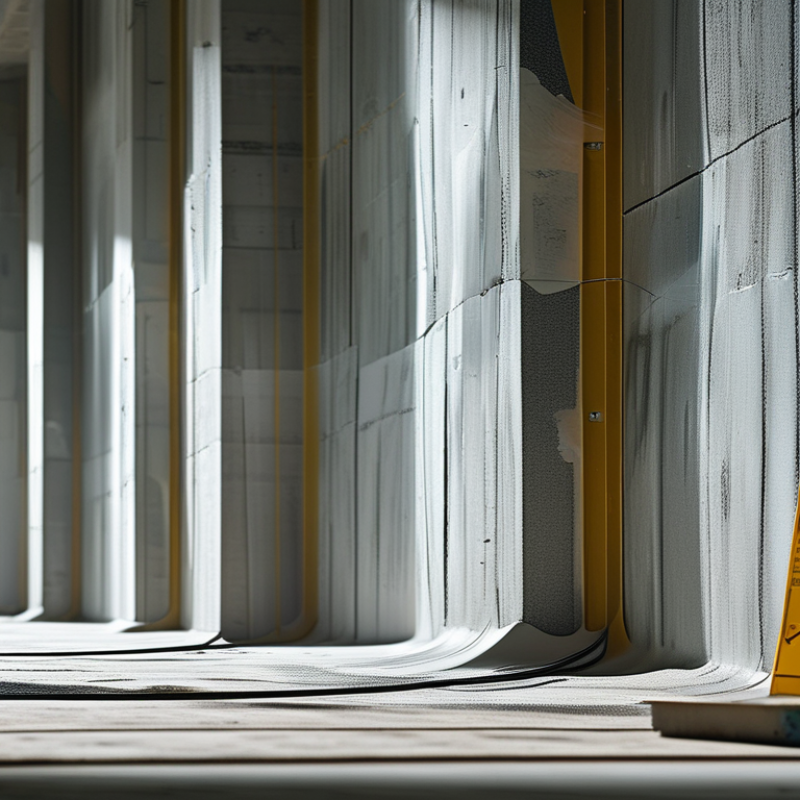
Polyurethane caulk is increasingly popular due to its versatile benefits. This material excels in creating waterproof seals, crucial for areas exposed to moisture. A report from the American Institute of Architects highlights that polyurethane caulk can expand and contract with temperature changes. This flexibility helps maintain a strong bond, reducing the need for frequent repairs.
Using polyurethane caulk ensures a durable finish. Unlike silicone, it adheres well to various surfaces, including wood, metal, and concrete. The durability often leads to less maintenance over time, resulting in cost savings. However, it's essential to apply it correctly. Improper application can lead to unsightly finishes or reduced performance.
Tips: Always clean surfaces thoroughly before application. Use a caulking tool for a smoother finish. Consider using a paintable version if aesthetics matter. This choice can enhance the overall appearance of your projects. However, be mindful that polyurethane caulk may not be the best fit for every situation. Evaluate your project needs carefully.
| Benefit | Description |
|---|---|
| Durability | Polyurethane caulk is highly resistant to wear and tear, providing long-lasting seals in both indoor and outdoor applications. |
| Flexibility | It remains flexible after curing, allowing it to expand and contract with temperature changes without cracking. |
| Adhesion | Excellent adhesion to a variety of surfaces, including wood, metal, glass, and concrete, making it versatile for multiple projects. |
| Water Resistance | It provides waterproof seals, making it ideal for wet areas like bathrooms and kitchens. |
| Mold and Mildew Resistance | Resists mold and mildew growth, ensuring a healthy environment in moisture-prone areas. |
| Low VOC | Many polyurethane caulks have low volatile organic compounds (VOC), making them safer for indoor air quality. |
| Paintability | Can be painted over once cured, allowing for a seamless finish that blends with surrounding surfaces. |
| Easy Application | Comes in easy-to-use tubes or cartridges, making application straightforward for both professionals and DIYers. |
| Cost-Effective | Offers long-term savings due to its durability and reduced need for replacements compared to other sealants. |
: Polyurethane caulk creates waterproof seals and maintains strong bonds. Its flexibility allows for temperature changes without cracking.
Yes, it adheres well to various surfaces, including wood, metal, and concrete. Proper surface preparation enhances its performance.
Clean surfaces thoroughly before application. Using a caulking tool can achieve a smoother finish and better adherence.
Yes, a paintable version can improve aesthetics. Ensure you follow the manufacturer's guidelines for best results.
Yes, application can be difficult in cold weather. It may thicken, making it harder to apply smoothly.
Curing time can vary. Be prepared for delays during your project due to required curing periods.
Properly cleaning surfaces improves adhesion and longevity. Neglecting this can result in poor performance and unsightly finishes.
Improper application may lead to reduced performance and less durability. It’s essential to follow recommended practices.
It can stretch up to 300% of its original length, making it ideal for joints with significant movement.
Not necessarily. Evaluate your project needs. Polyurethane may not suit every application or environmental condition.
Polyurethane caulk offers a myriad of benefits for various projects, making it a top choice among contractors and DIY enthusiasts. Its durability and longevity ensure that joints remain intact for extended periods, even when exposed to challenging environmental conditions. The flexibility and adhesion properties of polyurethane caulk allow it to form strong bonds with a variety of surfaces, accommodating movement without cracking.
Moreover, this caulk is designed to withstand extreme weather conditions, providing significant environmental benefits by preventing leaks and drafts. Its easy application and maintenance further enhance its appeal, as it simplifies the sealing process while ensuring a professional finish. Overall, polyurethane caulk stands out as a reliable solution for any sealing project, combining strength and versatility to meet diverse needs.

 Saiqiang