2026 Best Thermal Insulation Glue for Global Buyers

Time:2026-09-20 Author:Sienna
0%

Choosing the 2026 best Thermal Insulation Glue requires more than comparing attractive product claims. Global buyers need evidence about thermal performance, bonding strength, curing behavior, and long-term stability. This guide introduces practical selection criteria for construction panels, HVAC systems, appliances, and industrial assemblies. Each application exposes the adhesive to different temperatures, moisture levels, vibration, and substrate movement. A glue that performs well on rigid foam may fail against coated metal. Details matter.

Reliable evaluation starts with technical data sheets, safety documentation, batch information, and application instructions. Check thermal conductivity, service temperature, open time, cure time, density, and recommended joint thickness. Also examine adhesion results on the exact materials being joined. Independent laboratory testing can strengthen confidence, especially when projects cross climates and supply chains. However, published figures may reflect controlled conditions rather than dusty sites, uneven surfaces, or rushed installation. That difference deserves attention.

The comparison will consider product consistency, packaging, technical support, storage requirements, and total installed cost. It will also discuss safer handling, ventilation, personal protective equipment, and responsible disposal according to local requirements. “Best” is not universal. A colder region may prioritize low-temperature curing, while a humid factory may value moisture resistance. Buyer feedback is useful, but it is not a substitute for project testing. Small trial panels often reveal weaknesses early. Some recommendations may remain imperfect because formulations, regulations, and supplier data change. Treat this guide as a careful starting point, then verify every choice with qualified professionals and site-specific testing.
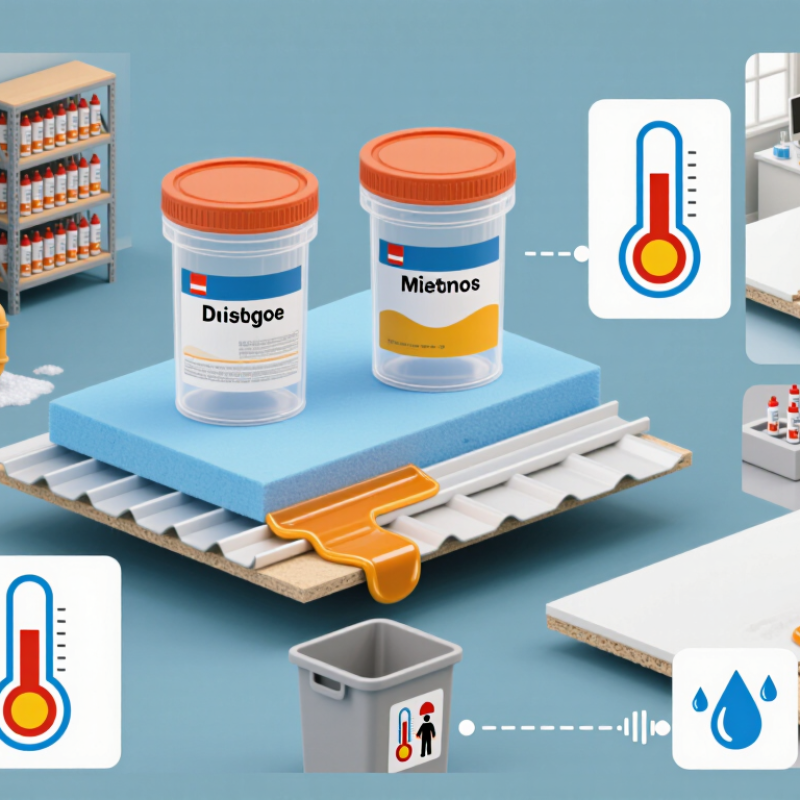
2026 Best Thermal Insulation Glue for Global Buyers

What Thermal Insulation Glue Is and How It Works

What Thermal Insulation Glue Is and How It Works

Thermal insulation glue is an engineered adhesive for fixing insulation boards, foams, membranes, and panels. It creates contact between the insulation layer and the building surface. More importantly, it limits tiny air gaps that can form thermal bridges. These gaps may appear around joints, corners, and uneven substrates. The adhesive itself is not a substitute for insulation thickness.

Its performance depends on chemistry, application, and curing conditions. Water-based adhesives suit some porous surfaces, while reactive or solvent-free systems may provide stronger moisture resistance. During curing, the glue forms a continuous bond. This bond transfers loads without excessively compressing the insulation. A thin, even layer usually works better than random thick patches. Surface dust, humidity, and poor mixing can weaken the result.

The UNEP 2023 Global Status Report for Buildings and Construction states that buildings consumed about 34% of global energy in 2022. The same report links buildings to roughly 37% of global energy and process-related emissions. Better insulation systems can therefore support wider efficiency goals.

However, laboratory values can mislead buyers. ASTM C518 and ISO 8301 test thermal transmission under controlled conditions, not every jobsite. Installers should check bond strength, open time, curing temperature, and water resistance. I would also question claims based on one test only. An adhesive may perform well on dry concrete but fail on dusty masonry. That practical gap matters.

Key Properties of High-Performance Insulation Adhesives

2026 Best Thermal Insulation Glue for Global Buyers

High-performance insulation adhesives must balance low thermal conductivity, strong adhesion, and long-term flexibility. A low conductivity figure alone can mislead buyers. The adhesive may bridge gaps poorly or crack during temperature changes. Reliable products should bond insulation boards, metal, concrete, and coated surfaces without losing grip.

Moisture resistance is essential in humid warehouses, cold rooms, and exterior wall systems. Check water absorption, curing behavior, and resistance to repeated freeze-thaw cycles. Fire performance also matters. Buyers should review tested flame-spread data and local construction requirements, not rely on vague safety claims. Low odor and controlled volatile emissions improve indoor working conditions.

Site experience shows that surface preparation often decides the result. Dust, oil, and condensation can weaken even a technically strong adhesive. Clean, dry substrates are necessary. Apply a consistent bead, then press the insulation evenly against the surface. Cure time changes with temperature and humidity. Sometimes, the specified working time feels too optimistic on a cold morning. Independent laboratory reports, batch traceability, and clear storage instructions make technical claims easier to trust. Compatibility testing remains wise, especially with foil facings, recycled insulation, and unfamiliar coatings.

Main Types of Thermal Insulation Glue for Global Applications

Thermal insulation glue varies by chemistry, substrate, and service temperature. Epoxy adhesive provides strong, rigid bonding for metal panels, ceramic insulation, and equipment housings. It performs well under compression but tolerates movement poorly. Thick applications may also cure unevenly.

Silicone adhesive suits flexible joints, glass surfaces, and insulation exposed to moisture or temperature changes. It remains elastic after curing. However, its structural strength can be lower than epoxy. Polyurethane adhesive offers useful flexibility for foam boards, pipe insulation, and vibration-prone assemblies. Humidity affects its curing behavior, so storage and application conditions require control. Acrylic adhesive cures quickly and can support efficient assembly lines. Hot-melt adhesive is also fast and convenient, but heat may soften the bond during service.

Choose by thermal cycling, surface energy, gap size, and installation speed. Clean metal may bond differently from dusty mineral wool or coated foil. Field testing matters more than a single strength figure. Request technical data and safety documents before purchase. Test peel strength, shear strength, aging, and repeated heating. Small samples can mislead.

I have seen strong adhesives fail because the insulation surface was damp. Cure time is often underestimated. A flexible joint may be safer than a harder bond. Yet, flexibility alone does not guarantee durability. Temperature, moisture, and substrate movement must be evaluated together.

2026 Best Thermal Insulation Glue for Global Buyers

Main Types of Thermal Insulation Glue for Global Applications

The chart compares representative cured thermal-conductivity ranges for common insulation adhesive families. Lower values generally indicate better resistance to heat transfer. Actual performance depends on formulation, filler content, bond-line thickness, curing conditions, temperature, and moisture exposure; buyers should verify product-specific test data before selection.

How to Choose Insulation Glue for Different Materials and Climates

2026 Best Thermal Insulation Glue for Global Buyers

How to Choose Insulation Glue for Different Materials and Climates

Choosing insulation glue starts with the materials, not the product label. Porous mineral wool absorbs adhesive quickly, while closed-cell foam needs strong surface wetting. Concrete, metal, plywood, and coated panels also expand differently. I check compatibility on a small sample before installation. That simple test often reveals weak bonding, surface dust, or unexpected softening.

Climate changes the decision. In humid coastal areas, choose moisture-resistant adhesive with stable curing performance. Cold regions require flexibility because insulation boards contract and expand. For hot, dry sites, slow skin formation can improve contact. Always check the working temperature, open time, and final service range. A glue that cures well indoors may fail on a freezing wall.

Field conditions matter more than laboratory claims. Clean surfaces, remove loose particles, and control excessive moisture. Apply enough adhesive for contact, but avoid thick pockets that trap air. Mechanical support may still be necessary on ceilings or heavy panels. I once trusted a fast-setting formula on a dusty concrete surface; the bond looked firm, then released after several temperature cycles. The mistake was preparation, not just adhesive selection. Test records, technical data, and installer experience should guide the final choice.娱乐主管

Global Buying Factors: Safety, Standards, Packaging, and Supply Chains

For global buyers, thermal insulation glue must perform beyond the laboratory. Safety comes first. Request the Safety Data Sheet before requesting a price. Check VOC levels, curing behavior, skin hazards, and fire performance. A product suitable for mineral wool may behave differently on foam board. Confirm compatibility through technical data and a small site trial. Do not rely on a translated brochure alone. It can hide important limits.

Tips: Ask for batch numbers, production dates, shelf life, and storage temperatures. Require test reports that match the destination market’s applicable standards, such as ASTM, EN, or ISO methods. Verify whether the reports cover the exact formulation. They often do not. Inspect pails for intact seals, clear labels, and moisture protection. A damaged carton can ruin otherwise reliable adhesive.

Packaging affects supply chains more than many purchasing teams expect. Select containers that tolerate long transit, temperature swings, and warehouse handling. Confirm pallet dimensions and dangerous-goods requirements when applicable. Request samples from the same production line, not a special laboratory batch. Track lead times with realistic buffer days. Port delays happen. I have seen projects lose a week because one missing document stopped customs clearance. Perfect planning is impossible, but visible records make correction faster. Keep written approval for every formula, package, and shipment change.

2026 Best Thermal Insulation Glue for Global Buyers - Global Buying Factors: Safety, Standards, Packaging, and Supply Chains

Adhesive Type Typical Insulation Applications Main Substrates Typical Service Temperature Indicative Consumption Moisture Resistance Fire and Safety Considerations Relevant Standards to Verify Common Packaging Formats Typical Shelf Life Global Supply-Chain Factors
Cementitious Mineral Adhesive External thermal insulation composite systems, mineral wool boards, EPS boards, and base-coat reinforcement layers Concrete, cement render, masonry, mineral substrates, and compatible insulation boards Approximately -30°C to +70°C after curing; confirm system-specific limits Approximately 3–6 kg/m² for bonding, depending on substrate flatness and application method Good after curing; requires protection from rain during application and initial curing Usually mineral-based and low in volatile organic compounds; fire performance depends on the complete insulation system, not adhesive alone EN 998-1, ETAG 004 or applicable EAD, EN 13501-1, ASTM E84 where required, local building regulations 20–25 kg multi-wall paper bags with moisture-resistant inner liners; palletized and stretch-wrapped Generally 6–12 months in unopened, dry, temperature-controlled storage Heavy product with relatively high freight cost; protect from humidity; regional production is often preferred for large projects
One-Component Polyurethane Foam Adhesive EPS, XPS, PIR, PUR, and selected mineral wool boards; façade spot bonding and insulation board installation Concrete, masonry, plaster, timber, metal, and prepared rigid insulation surfaces Approximately -40°C to +90°C after curing; application temperature may be more restricted Approximately 4–14 m² per 750 ml can, depending on bead size, substrate, and installer technique Good resistance to intermittent moisture; joints must be protected from prolonged ultraviolet exposure and water ingress Pressurized and often flammable during use; requires ventilation, ignition control, gloves, and eye protection; cured foam must be assessed within the full fire system EN 17333, EN 13501-1 where fire classification is claimed, ISO 16000 or local VOC requirements, transport rules for pressurized containers 500–1000 ml aerosol cans; cartons with protective dividers; palletized according to dangerous-goods requirements Typically 12–18 months unopened; store upright and within the temperature range stated on the safety data sheet Aerosol classification can affect ocean, air, and road transport; verify UN shipping classification, container labeling, and regional import restrictions
Polyurethane Paste Adhesive Insulation panels, sandwich-panel joints, roof insulation, and bonding applications requiring gap filling Concrete, masonry, coated metal, wood, EPS, XPS, PIR, and PUR boards Approximately -30°C to +80°C after curing Approximately 0.8–2.0 kg/m², depending on bead pattern and required bond-line thickness Good moisture resistance after curing; moisture levels of porous substrates can influence curing and adhesion May contain reactive isocyanates; use suitable gloves, eye protection, and ventilation; follow occupational exposure controls and the SDS EN 15651 where relevant to joint applications, EN 13501-1 for system fire claims, REACH restrictions for diisocyanates in applicable markets 600 ml foil sausages, 290–310 ml cartridges, or 10–25 kg pails Typically 9–12 months unopened, subject to packaging integrity and storage conditions Protect from freezing, excessive heat, and moisture; cartridge and sausage formats reduce weight but require compatible dispensing tools
MS Polymer Adhesive Flexible bonding of insulation accessories, vapor-control components, façade details, and dissimilar materials Metal, coated metal, concrete, masonry, timber, plastics, and selected insulation facings Approximately -40°C to +90°C after curing, with flexibility retained over a broad range Approximately 0.8–1.5 cartridges per m² for bead bonding; project use varies significantly Very good resistance to weathering and intermittent moisture; joint design remains important Generally solvent-free and low odor; verify VOC content, skin sensitization warnings, and compatibility with insulation facings ISO 11600 for sealant-type performance where applicable, EN 13501-1 for tested system claims, local VOC regulations 290–310 ml cartridges, 400–600 ml sausages, and larger pails for industrial application Typically 12 months unopened; avoid prolonged storage above recommended temperature Moderate transport density and relatively simple handling; confirm local availability of compatible nozzles and dispensing equipment
Epoxy Adhesive High-strength bonding of rigid insulation components, metal details, structural inserts, and demanding industrial assemblies Concrete, steel, aluminum, masonry, composites, and selected rigid foam or mineral substrates Approximately -40°C to +100°C or higher for specialized formulations Approximately 0.5–2.0 kg/m², depending on bond-line thickness and surface profile Excellent resistance to water, chemicals, and many industrial environments after full cure Two-component products require controlled mixing; uncured resin and hardener may cause skin or eye irritation and sensitization EN 1504-4 for structural bonding where applicable, ASTM C881 for concrete-bonding epoxy systems, EN 13501-1 for tested fire claims Dual cartridges, 1–5 kg kits, or larger pails and drums for industrial use Typically 12–24 months unopened, depending on resin, hardener, and storage temperature Heavier packaging and controlled-temperature storage may increase landed cost; check component ratio, batch traceability, and mixing-tool supply
Water-Based Acrylic Adhesive Interior insulation boards, acoustic panels, flexible insulation sheets, and low-load decorative applications Drywall, plaster, concrete, wood, paper-faced boards, and selected porous surfaces Approximately 0°C to +60°C after drying; avoid freezing before use Approximately 0.3–1.0 kg/m², depending on porosity and application method Limited to moderate; generally intended for dry interior environments unless specifically formulated for damp areas Usually low odor and low VOC compared with solvent-based products; drying depends on ventilation, temperature, and substrate absorbency EN 13999 where applicable, ISO 16000 or regional VOC requirements, EN 13501-1 for tested construction-system performance 5–25 kg plastic pails, tubs, or cartridges; use sealed packaging to prevent skin formation and water loss Typically 12 months unopened when protected from freezing and excessive heat Generally non-dangerous for transport; freezing risk, pail leakage, and regional VOC labeling should be included in procurement planning
Buyer verification note: Performance values are indicative ranges for procurement screening. Final selection should be based on the complete insulation assembly, substrate, climate exposure, installation method, local building regulations, current technical data sheet, safety data sheet, and independently tested system certificates.

FAQS

What makes a thermal insulation adhesive high-performance?

It should combine low thermal conductivity, strong adhesion, flexibility, and moisture resistance. Low conductivity alone proves little. The bond must tolerate temperature changes without cracking or separating.

Which surfaces can insulation adhesive bond?

Suitable products may bond insulation boards, metal, concrete, ceramic, glass, or coated surfaces. Clean metal behaves differently from dusty mineral wool. Always confirm compatibility with technical data and a small trial.

How important is surface preparation?

It often decides the final result. Remove dust and oil, then ensure the surface is dry. Condensation can weaken the bond, even when the adhesive appears technically strong.

Which adhesive type suits flexible or moving joints?

Silicone and polyurethane adhesives usually tolerate movement better than rigid epoxy. Silicone suits moisture-prone joints and glass surfaces. Polyurethane works well with foam boards and vibration-prone assemblies. Flexibility is helpful, not magic.

When is epoxy adhesive a suitable choice?

Epoxy provides strong, rigid bonding for metal panels, ceramic insulation, and equipment housings. It performs well under compression. However, movement can cause failure. Thick layers may also cure unevenly.

What conditions can affect curing time?

Temperature and humidity strongly influence curing. Polyurethane may react differently in humid conditions. A cold morning can extend the working time. Specified times sometimes feel too optimistic.

What documents should global buyers request?

Request the Safety Data Sheet, technical data, test reports, batch numbers, production dates, and shelf life. Confirm that reports match the exact formulation. Translated brochures may hide important limitations.

How should buyers check packaging and shipment readiness?

Inspect seals, labels, cartons, pallet dimensions, and moisture protection. Choose packaging that survives long transit and temperature swings. Keep buffer days for port delays. One missing document can stop customs clearance.

What tests should be completed before large-scale installation?

Test peel strength, shear strength, aging, and repeated heating. Check performance after moisture exposure and freeze-thaw cycles. Small samples can mislead. A site trial gives more useful evidence.

Conclusion

Thermal Insulation Glue is a specialized adhesive designed to bond insulation materials while helping reduce heat transfer through walls, roofs, pipes, equipment, and other assemblies. This article explains how insulation adhesives work and examines the key performance properties buyers should evaluate, including thermal stability, strong adhesion, flexibility, moisture resistance, durability, and ease of application. It also introduces common adhesive types suitable for different construction, industrial, and energy-efficiency applications.

Choosing the right Thermal Insulation Glue depends on the materials being joined, surface condition, operating temperature, humidity, UV exposure, and local climate. Global buyers should also consider compatibility with substrates such as foam, mineral fiber, metal, concrete, and composite panels. Safety documentation, applicable quality and environmental standards, packaging integrity, storage requirements, delivery reliability, and supply-chain capacity are equally important. A careful evaluation of technical performance and purchasing conditions can help ensure long-lasting insulation results and consistent project quality.


Sienna

Sienna

Sienna is a skilled marketing professional with a deep expertise in our company’s core products and services. With a passion for innovation and detail, she plays a pivotal role in crafting insightful blog posts that not only highlight the unique features of our offerings but also provide valuable......